

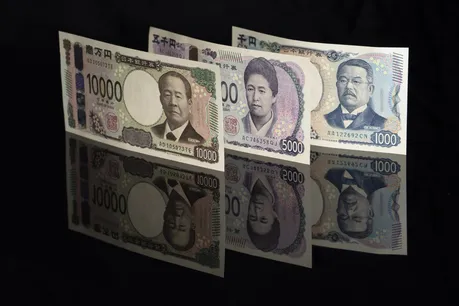
The Japanese yen has been under increasing pressure in recent months, reaching levels that have raised concerns among policymakers and global investors. A weak yen, while beneficial for exporters, poses significant challenges for Japan’s economy, particularly by increasing import costs and fueling inflation. These developments have led to speculation that Japan’s government and central bank might consider intervening in the currency markets to stabilize the yen’s value. Understanding why such intervention could occur requires a closer look at the economic dynamics behind the yen’s weakness and its broader implications.
One of the primary reasons for the yen’s depreciation is the wide interest rate gap between Japan and major economies like the United States. While the US Federal Reserve has maintained relatively high interest rates to control inflation, the Bank of Japan has stuck to its ultra-loose monetary policy. This difference has encouraged investors to borrow in yen and invest in higher-yielding foreign assets, a strategy known as the carry trade. As a result, demand for the yen has declined, pushing its value lower against the dollar and other currencies.
A weaker yen can initially boost Japan’s export sector by making goods cheaper overseas. Major companies such as Toyota and Sony benefit from higher foreign earnings when converted back into yen. However, the downside is that it makes imports more expensive, especially for energy and raw materials that Japan relies heavily on. With global commodity prices already high, the weaker yen has amplified inflationary pressures at home, squeezing household budgets and eroding consumer purchasing power.
Rising import prices have also created political and economic tension. Consumers are paying more for essentials like fuel, food, and utilities, and small businesses are facing higher input costs. If the yen continues to weaken, it could undermine public confidence in economic management and add pressure on policymakers to act. The government, therefore, must weigh the short-term benefits of export competitiveness against the long-term risks of inflation and reduced domestic consumption.
Currency intervention becomes an attractive option when volatility threatens financial stability. Japan has a history of stepping into the markets to support the yen, as seen in 2022 when it conducted its first direct intervention in decades. Typically, intervention involves the government selling foreign reserves, such as US dollars, to buy yen and push up its value. However, this tool is used sparingly because it can only provide temporary relief unless backed by broader policy adjustments.
If intervention does occur, it will likely be coordinated with other global financial authorities to ensure its effectiveness. The Bank of Japan and the Ministry of Finance understand that unilateral moves may not be enough to reverse the yen’s decline if global investors continue favoring the dollar. Therefore, any action would need to send a strong signal that Japan is committed to maintaining stability in its currency markets.
In conclusion, a weak yen poses both opportunities and risks for Japan’s economy. While it supports exporters, it also burdens consumers and increases inflationary pressures. If the currency falls too rapidly or unpredictably, Japan’s authorities may be forced to intervene to prevent further instability. The decision to act would reflect not only economic calculations but also the need to preserve confidence in the yen and safeguard the nation’s financial health.


Leave a Reply