

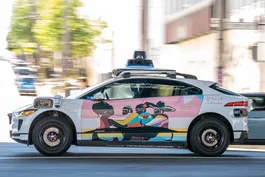
Waymo, the autonomous vehicle company under Alphabet, has announced that it will bring its fully driverless robotaxi service to London in 2026. This move will mark the first time Waymo’s robotaxis operate commercially in Europe. The company is preparing now by conducting tests on London streets with human safety drivers, while it works with regulatory bodies, fleet partners, and infrastructure firms to enable the full rollout.
What the Plan Involves
Over the coming weeks, Waymo will begin data collection and pilot testing in London. These tests will use safety drivers behind the wheel to ensure safe operation during the early phases. The commercial service aims for fully autonomous operation—meaning no human required behind the wheel—once regulatory approvals are in place.
Waymo will partner with Moove, a fleet operations and mobility financier, to manage maintenance, vehicle charging, fleet logistics and local operations. Moove already supports Waymo operations in U.S. cities, making it a key partner for the London service. The deployment will use electric Jaguar I Pace vehicles outfitted with Waymo’s autonomous driving system.
Regulatory & Safety Framework
The UK government has been moving to enable autonomous vehicle services under its laws, including rules that require self-driving cars to perform at safety levels at least as good as “careful and competent human drivers.” New pilot schemes are part of that preparation. Testing with human safety drivers forms an initial stage, after which fully driverless service may begin, subject to local approvals.
London’s transport regulator (Transport for London) and the UK’s Department for Transport are involved, and there are licensing, safety, inspection, insurance, and compliance issues to address. The Automated Vehicles Act, which will give clearer regulatory authority, is expected to fully take effect somewhat later, so the pilot period is important.
Challenges & Opportunities
Launching robotaxis in London presents several challenges. London’s road layout is more complex than many U.S. cities narrow streets, heavy traffic, dense pedestrian zones, many turns and roundabouts; weather and signage, rules of the road, local driving behavior all will test autonomous system robustness. Public trust, safety perceptions, insurance liability, regulatory oversight are also key areas to manage carefully.
On the opportunity side, Waymo brings strong experience: in the U.S. its robotaxi service has already given millions of paid rides, driven tens of millions of autonomous miles, and gathered extensive data. Partnering with Moove, using electric vehicles, focusing on safety, and aligning with UK regulatory plans gives Waymo a promising chance to set a benchmark in Europe. Londoners may benefit from improved mobility access, new technology investment, job creation in the autonomous vehicle sector, and potentially safer roads.
What to Watch Next
When exactly regulatory permits will be granted, especially for fully driverless operation.
Size and scope of the launch: how many cars, which areas / boroughs of London will first offer the service.
Public acceptance and safety record in the early months of operations.
Effect on existing taxi, ride-hail services and how prices and accessibility will compare.
Further overseas expansion by Waymo, building on this European debut.


Leave a Reply