

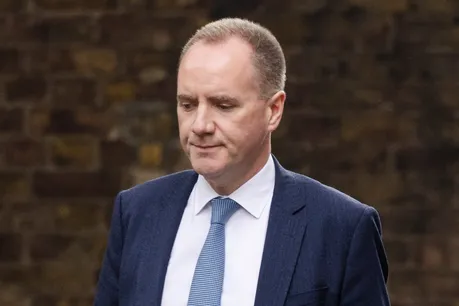
The UK’s budget watchdog is once again under pressure as recent errors in its assessments have sparked strong calls for reform. The Office for Budget Responsibility plays a crucial role in reviewing government spending plans and forecasting economic performance. When this independent body makes a mistake, the impact spreads across financial markets, political debate, and public trust. The latest blunder has renewed concerns about accuracy, transparency, and the limits of existing oversight systems.
The push for reform centers around growing expectations that the watchdog must evolve to meet the complexity of the modern economy. As the UK faces changing global conditions, from inflationary pressures to supply chain disruptions, economic forecasting has become more challenging. Critics argue that the current methods used by the office may not fully reflect the unpredictable environment. Supporters of reform believe that updated tools, wider datasets, and more robust review processes could strengthen reliability and reduce the margin of error.
Politicians have also seized on the opportunity to question how these mistakes influence major policy decisions. Government budgets rely heavily on forecasts that shape tax policy, welfare spending, and investment plans. When projections fall short or misjudge economic conditions, the consequences can be significant. The recent error heightened tensions between lawmakers and the institution, with some arguing that reforms are necessary to restore confidence. Others insist that errors are inevitable in forecasting and should be used as lessons for improvement rather than points for criticism.
Public perception forms another important part of the debate. Citizens depend on accurate financial assessments to understand how government decisions affect everyday life. When a respected institution struggles with credibility, that trust becomes fragile. Reform advocates suggest that greater openness could help rebuild public confidence. They propose clearer explanations of forecasting uncertainties, more detailed communication, and additional independent reviews to make the process more transparent.
Economists emphasize that the conversation should focus on balancing accountability with realistic expectations. Forecasting the economy is a complex task filled with uncertainty, especially during periods of global instability. The role of the office is not to predict the future with perfect accuracy but to provide the best possible analysis based on available information. Strengthening internal systems and improving collaboration with academic researchers could offer better frameworks for navigating future challenges.
Despite the controversy, the budget watchdog remains a key institution within the UK’s financial governance system. Its independence is vital for ensuring that fiscal decisions are not influenced by political goals. Reform discussions aim to enhance this independence rather than weaken it. Many experts believe that updating analytical methods, expanding expertise, and improving transparency will make the institution stronger and better prepared for the future.
In conclusion, the calls for reform highlight a broader question about how a modern economy should be evaluated and monitored. The recent blunder exposed weaknesses but also opened the door for improvement. With the right changes, the UK’s budget watchdog can continue to serve as a trusted guide for policymakers and citizens while meeting the demands of an increasingly complex economic landscape.


Leave a Reply