

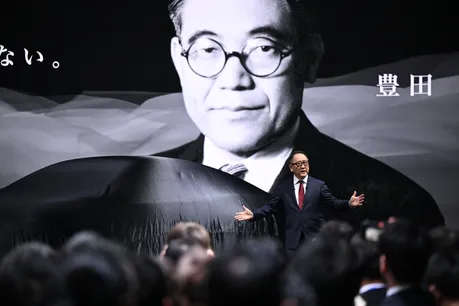
The proposed buyout of Toyota, one of Japan’s most iconic companies, represents a significant test for the country’s ongoing economic and corporate governance reforms. As the world’s largest automaker, Toyota is not only a symbol of Japanese industry but also a benchmark for investor confidence and market efficiency. The buyout highlights both the opportunities and challenges facing Japan as it seeks to modernize its corporate structures and attract global investment.
Japan has long been known for its unique corporate governance model, which often emphasizes long-term stability, cross-shareholding, and consensus-driven decision-making. While this approach has contributed to stable corporate growth, it has also been criticized for limiting shareholder influence and hindering agile decision-making. The Toyota buyout challenges these traditional norms, as it brings issues of transparency, accountability, and shareholder value to the forefront. How Japan responds will signal the effectiveness of its reforms to both domestic and international investors.
The buyout is a test of Japan’s efforts to encourage more shareholder-friendly practices. In recent years, policymakers have promoted reforms aimed at improving corporate governance, such as increasing transparency, enhancing board independence, and encouraging active engagement with shareholders. A high-profile transaction like Toyota’s buyout puts these reforms under scrutiny. Investors will be watching closely to see whether the process is handled efficiently, fairly, and in a manner that aligns with global standards. Success could boost confidence in Japan’s markets and attract further foreign investment.
Financially, the buyout involves complex considerations. Toyota is a massive company with global operations, extensive supply chains, and a large workforce. Any acquisition or restructuring must balance the interests of shareholders, employees, and stakeholders across multiple markets. Investors are likely to assess the buyout’s valuation, potential for growth, and long-term strategic benefits. At the same time, Japanese regulators and policymakers will need to ensure that the deal aligns with broader economic goals, including industrial stability and innovation.
The transaction also highlights the tension between tradition and modernization in Japan’s corporate sector. Toyota has historically maintained a conservative approach to ownership and governance, prioritizing long-term stability over aggressive market maneuvers. The buyout represents a shift toward a more dynamic and market-driven model, testing how traditional corporate culture adapts to modern investment practices. The outcome will have implications beyond Toyota, potentially influencing how other major Japanese firms approach governance, investor relations, and capital allocation.
In conclusion, the Toyota buyout is more than a financial transaction it is a critical benchmark for Japan’s ongoing reforms in corporate governance and market liberalization. How policymakers, regulators, and company executives handle the process will signal the country’s readiness to embrace modern investment practices while balancing the needs of stakeholders. A successful and transparent buyout could reinforce Japan’s reputation as a business-friendly market, attract global investors, and set a precedent for future reform efforts. Conversely, missteps could undermine confidence and slow the pace of modernization, emphasizing the stakes involved in this landmark test for Japan’s corporate landscape


Leave a Reply