

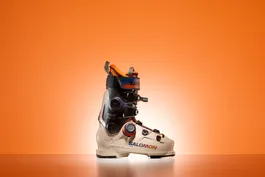
The ski industry has entered a new era, one that many longtime skiers never thought they would see. For decades, ski boots were known as the most uncomfortable part of the sport, often described as stiff, painful, and unforgiving. Skiers accepted this discomfort as a necessary trade-off for performance, assuming that a tight and rigid boot was the only way to maintain control on the slopes. Today, that idea is rapidly changing. A new generation of ski boots is transforming the experience, offering comfort, flexibility, and high-level performance without forcing skiers to endure constant pressure and pain.
The breakthrough has come from a combination of smarter design, better materials, and a shift in how manufacturers think about the skier’s body. Instead of treating every foot the same, boot makers are now building products that adapt to individual shape, weight, and movement. Heat-moldable liners have become one of the biggest innovations in this space. These liners soften when heated and then form around the unique structure of the skier’s foot, creating a custom fit that feels natural instead of rigid. In the past, only professional racers or people willing to visit specialty boot shops could achieve that level of personalization. Now it is becoming standard even in mid-range consumer models.
Another major advancement is the use of adaptive shell materials. Traditional boots were made from hard plastic that provided support but offered almost no flexibility. Newer shells are designed to move with the foot, using blends of plastics or hybrid fibers that respond differently in warm and cold temperatures. This prevents the boot from becoming overly stiff in freezing weather, which was a common source of discomfort in older designs. It also helps skiers maintain smoother ankle movement, reducing fatigue and improving balance. The result is a boot that performs well for both aggressive downhill runs and relaxed all-day skiing.
Weight reduction is also playing a key role in comfort. Modern boots are lighter than ever, thanks to advanced manufacturing and the removal of unnecessary bulk. That means less strain on the legs and better energy conservation, especially for beginners or older skiers who may not have the strength to fight against heavy gear. At the same time, the lighter construction does not sacrifice durability. The boots remain strong enough to handle tough terrain and fast speeds, but they feel far easier to manage during long sessions.
Just as important as the technology is the shift in skier expectations. Skiing is no longer seen only as an extreme sport. It has become a recreational activity for families, travelers, and casual outdoor enthusiasts. That shift has forced companies to find a way to welcome more people to the slopes by removing the barrier of foot pain. Comfort is no longer a luxury. It is a requirement.
As more skiers experience boots that keep them warm, supported, and pain-free, demand for traditional rigid designs will continue to fade. The new generation of ski boots proves that the sport can be thrilling without being punishing. For many, this change will bring longer days on the mountain, more confidence, and a level of enjoyment that was once impossible. The era of truly comfortable ski boots has arrived, and it may be one of the most important upgrades the industry has seen in years


Leave a Reply