

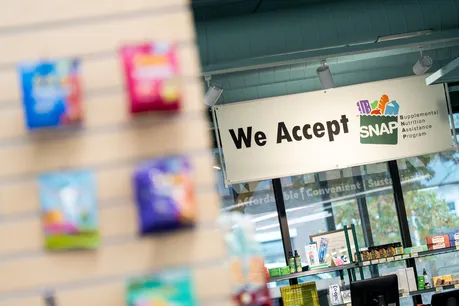
The Supreme Court has temporarily allowed former President Donald Trump’s administration officials to continue limiting certain food aid programs, marking a significant development in the ongoing debate over federal assistance and social policy. This decision comes amid legal challenges to policies that sought to restrict eligibility for benefits under programs like the Supplemental Nutrition Assistance Program. While the ruling does not resolve the broader dispute, it permits the continuation of restrictions while the courts further consider the case.
The policies in question were designed to tighten eligibility criteria for food assistance, aiming to reduce government expenditures and encourage employment among recipients. Proponents argued that these measures would promote self-sufficiency and prevent misuse of public funds. Critics, however, warned that limiting access to food aid could exacerbate hunger and hardship for vulnerable populations, particularly low-income families, seniors, and individuals living in areas with high unemployment. The tension between cost control and social welfare has fueled a broader national conversation about the role of government in providing essential services.
The Supreme Court’s decision to allow the restrictions to remain in effect temporarily does not constitute a final judgment on the legality of the policies. Instead, it maintains the status quo while lower courts continue to evaluate the case. Legal experts note that such interim rulings are common in high-profile disputes, providing stability and clarity for agencies tasked with implementing federal programs while the judicial process unfolds. The temporary ruling also underscores the balance courts must strike between administrative authority and protections for beneficiaries under federal law.
Public reaction to the decision has been mixed. Advocates for stricter eligibility argue that the ruling supports fiscal responsibility and ensures that aid reaches those most in need. On the other hand, social service organizations and anti-hunger groups have expressed concern that the limitations could lead to increased food insecurity and place additional strain on charitable resources. The debate highlights the challenge of designing social programs that effectively support those in need while managing government budgets responsibly.
The case also reflects broader political and policy debates surrounding federal welfare programs. Discussions about eligibility, funding, and program design often mirror ideological divides over the role of government, economic incentives, and social responsibility. The Supreme Court’s involvement signals the importance of these decisions and their potential impact on millions of Americans who rely on federal assistance for basic needs.
In conclusion, the Supreme Court’s temporary ruling allowing Trump-era officials to limit certain food aid programs maintains the current restrictions while legal challenges continue. The decision highlights ongoing tensions between fiscal policy, social welfare, and legal oversight. As the case progresses through the courts, policymakers, advocates, and beneficiaries alike will be watching closely, as the outcome could shape the future of federal food assistance and the balance between government support and program accountability


Leave a Reply