

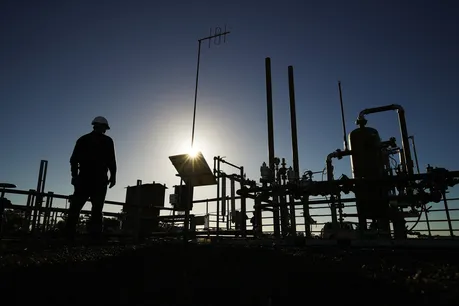
Australian energy company Santos is moving closer to starting shipments of liquefied natural gas from its massive 4.5 billion dollar Barossa gas field, a project seen as one of the most significant developments in the country’s energy sector. Located in the Timor Sea north of Darwin, the Barossa project is designed to supply gas to the Darwin LNG plant, replacing declining output from older fields. After years of planning, investment, and environmental scrutiny, Santos is now nearing the final stages of development, signaling an important milestone for both the company and Australia’s gas industry.
The Barossa field has been a major focus of Santos’s expansion strategy. As global demand for cleaner energy sources continues to grow, liquefied natural gas plays a crucial role in bridging the transition from coal and oil toward renewable energy. The project is expected to produce millions of tons of LNG annually, strengthening Australia’s position as one of the world’s leading LNG exporters. Once operational, the field will not only help sustain the Darwin LNG facility but also provide long-term energy security for regional partners in Asia.
However, the project has faced its share of challenges. Environmental groups and Indigenous communities have raised concerns over its potential impact on marine ecosystems and traditional fishing areas. Legal disputes over consultation processes temporarily halted development, leading to delays and cost adjustments. Santos has since worked to address these issues through revised environmental assessments and closer engagement with local communities. The company insists that it is committed to maintaining high environmental standards while delivering economic benefits to the Northern Territory.
From an economic perspective, the Barossa project is expected to generate significant benefits. It will create thousands of jobs during construction and provide long-term employment opportunities once production begins. The project will also contribute substantial tax revenue and royalties to the government, supporting regional development. For Santos, it represents a critical component of its portfolio and a key driver of future earnings. As global LNG markets tighten due to supply constraints and geopolitical tensions, the company is well positioned to meet rising demand, particularly from countries seeking reliable and lower-carbon energy alternatives.
Yet, the project also underscores the broader debate over Australia’s energy transition. While LNG is viewed as a cleaner option compared to coal, it remains a fossil fuel that contributes to carbon emissions. Environmental advocates argue that continued investment in large gas projects could slow the shift toward renewable energy sources. Santos, on the other hand, maintains that natural gas will remain essential for decades to come as renewable technologies scale up and energy storage solutions mature.
In conclusion, Santos’s progress toward shipping LNG from the 4.5 billion dollar Barossa field marks a significant achievement for both the company and Australia’s energy sector. The project reflects the country’s ongoing role in supplying global energy markets while navigating the challenges of environmental responsibility and sustainable growth. As the first shipments approach, the Barossa field stands as a symbol of the balance between economic opportunity and environmental stewardship that will define the future of the global energy industry


Leave a Reply