

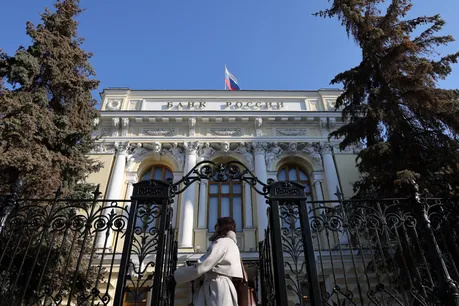
The Bank of Russia is facing a complicated decision as rising fuel prices threaten to undo months of progress in controlling inflation. Attacks on major oil refineries have disrupted the country’s fuel supply, pushing gasoline and diesel prices sharply higher. This unexpected surge in fuel costs has forced policymakers to reconsider their plans for reducing interest rates in the coming months.
Earlier this year, the central bank had signaled its intention to begin a gradual rate-cutting cycle to support economic growth. However, the recent refinery disruptions have changed the outlook. Higher fuel prices are now feeding into broader inflation, making everyday goods and transport more expensive for Russian households. With consumer prices climbing again, the central bank may be left with little choice but to pause or delay its easing plans.
Inflation has been one of the most sensitive issues for Russia’s economy since the start of the conflict in Ukraine. Supply chain disruptions, sanctions, and export restrictions have all contributed to volatile price movements. The latest wave of refinery attacks has only added to this pressure, creating new challenges for both the government and the central bank.
Economic analysts believe that maintaining current interest rates could help prevent inflation expectations from rising further. At the same time, keeping rates high for too long risks slowing growth in sectors that are already struggling. Manufacturing and construction activity have shown signs of weakening, and small businesses are finding it harder to access affordable credit. This leaves the central bank in a delicate position, trying to strike a balance between controlling inflation and supporting the economy.
The energy sector remains at the heart of this challenge. Russia’s economy depends heavily on oil and gas exports, and refinery output disruptions have immediate consequences for both domestic prices and government revenue. While authorities are working to stabilize fuel supplies and limit export volumes, it will take time for these measures to have a meaningful impact on the market.
For now, the central bank is expected to take a cautious approach. Instead of aggressive rate cuts, policymakers are likely to adopt a wait-and-see stance until fuel prices stabilize and inflation shows clearer signs of moderation. The next few months will be crucial in determining whether Russia can contain these inflationary pressures without triggering a deeper economic slowdown.
In summary, the recent refinery attacks have placed the Bank of Russia in a difficult position. The sharp rise in fuel costs has revived inflation fears and cast doubt on the possibility of near-term rate cuts. How the central bank navigates this challenge will play a key role in shaping the country’s economic outlook for the rest of the year.


Leave a Reply