

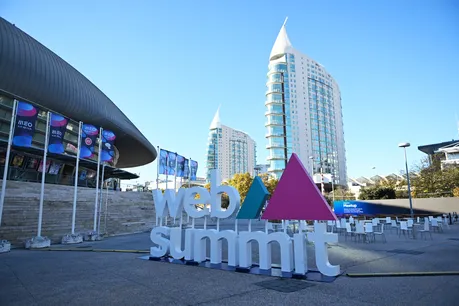
Lisbon has recently witnessed an unusual scene as a large number of private jets crowded the city’s airport, creating unexpected delays and logistical challenges for high-profile visitors. The surge in private aircraft arrivals coincided with a major global technology conference, drawing some of the world’s most influential business leaders, investors, and innovators. What was meant to be a showcase of cutting-edge technology and forward-thinking ideas turned into a spectacle of luxury and congestion, as the sheer volume of private jets overwhelmed the city’s aviation infrastructure.
The event, often described as Europe’s biggest gathering for the tech world, attracted thousands of participants from around the globe. Among them were executives from major companies, startup founders, and venture capitalists eager to discuss the future of artificial intelligence, green technology, and digital transformation. Many of these high-profile guests opted for private jets to ensure convenience and privacy, but the unexpected number of arrivals caused parking shortages, rerouting, and delays at Lisbon’s Humberto Delgado Airport.
Airport authorities struggled to accommodate the influx of aircraft, as parking spaces and handling services quickly reached capacity. Reports indicated that some private jets had to be diverted to nearby airports or temporarily held in the air due to congestion on the ground. The situation led to a ripple effect, with refueling delays and coordination challenges adding to the frustration of travelers. For the wealthy elite used to seamless travel, the experience served as a reminder that even private aviation has limits when demand peaks.
The pileup also sparked public debate about the environmental impact of private jet travel. Critics pointed out the irony of prominent tech leaders and investors, many of whom publicly advocate for sustainability, arriving in droves on private aircraft. Environmental groups highlighted the contradiction between the conference’s focus on climate innovation and the high carbon footprint generated by hundreds of individual flights. The discussion reignited broader questions about how the tech industry balances its ambitions for progress with its environmental responsibilities.
Despite the logistical chaos, the conference itself continued as planned, featuring discussions on artificial intelligence, cybersecurity, and digital inclusion. Lisbon’s growing reputation as a hub for technology and innovation was further solidified, even as the jet congestion became a trending topic both online and in local media. City officials noted that the influx of visitors also brought significant economic benefits, from hotel bookings to local business spending, reinforcing the importance of hosting large-scale international events.
In conclusion, the private-jet pileup in Lisbon provided an unexpected twist to one of the world’s most prestigious technology gatherings. While it underscored the allure of the event and the influence of its attendees, it also highlighted the challenges of managing luxury travel at scale. Beyond the inconvenience for tech titans, the episode served as a symbolic reminder of the tensions between innovation, privilege, and sustainability. As the tech industry continues to shape the future, moments like this reveal that progress comes not only from technological advancement but also from addressing the contradictions that accompany success


Leave a Reply