

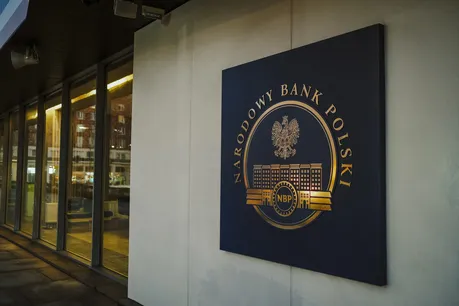
According to recent remarks by Monetary Policy Council member Ludwik Kotecki, Poland’s current cycle of interest rate cuts is expected to end in early 2026. This statement has drawn attention from economists and investors who are closely monitoring Poland’s monetary policy path. After a period of steady rate reductions aimed at supporting economic growth and combating the lingering effects of inflation, the central bank appears ready to pause and reassess its position. Kotecki’s comments suggest that the National Bank of Poland will prioritize stability and caution as it navigates the challenges of maintaining both price control and economic momentum.
The Polish economy has been under pressure due to a combination of high inflation, slowing industrial activity, and changing global economic conditions. Over the past two years, the central bank has gradually reduced interest rates to make borrowing easier and encourage spending. However, as inflation begins to moderate and the economy adjusts, policymakers are becoming more cautious about further cuts. Kotecki emphasized that continuing to lower rates indefinitely could create new risks, including renewed inflationary pressures and currency instability.
In recent months, economic data from Poland has shown a mixed picture. Inflation has cooled compared to its peak levels in 2022, but it still remains above the central bank’s target. Meanwhile, consumer spending and business investment have started to recover, though not at the pace seen before global disruptions. This delicate balance is prompting the Monetary Policy Council to consider ending the easing cycle to avoid overstimulating the economy. Kotecki’s statement indicates that the council expects inflation to return closer to its target by early 2026, which would allow the bank to stabilize rates without jeopardizing growth.
Analysts believe that the decision to end rate cuts will also depend on external factors. The global economy remains uncertain, with geopolitical tensions, energy price fluctuations, and policy shifts in major economies such as the United States and the European Union. These external influences can affect Poland’s export markets, currency value, and overall economic performance. As a result, the central bank must remain flexible and ready to adjust its strategy if conditions change rapidly.
Another concern for policymakers is the strength of the Polish zloty. Lower interest rates tend to weaken the national currency, making imports more expensive but exports more competitive. While this dynamic can benefit exporters, it also poses challenges for domestic price stability. By ending rate cuts in early 2026, the National Bank of Poland aims to strike a balance between maintaining competitiveness and protecting the purchasing power of consumers.
In the broader context, Poland’s monetary policy decisions will play a key role in shaping its post-pandemic recovery and future economic resilience. A carefully managed end to rate cuts could help anchor inflation expectations, strengthen investor confidence, and provide a stable foundation for sustainable growth. Kotecki’s remarks highlight the importance of timing and precision in economic policymaking. The coming months will be crucial as the Monetary Policy Council evaluates new data and determines the best course forward.
In summary, the indication that Poland’s interest rate cuts may end in early 2026 signals a shift toward stability and long-term planning. The focus is now on consolidating economic gains while preventing the return of inflationary risks. This cautious approach reflects the central bank’s commitment to ensuring that Poland’s economy remains balanced, competitive, and resilient in the face of global uncertainty.


Leave a Reply