

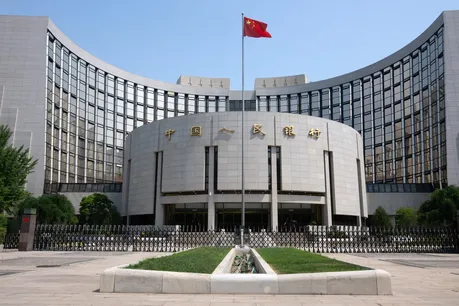
China’s central bank, the People’s Bank of China, is taking new steps to expand the use of its currency, the yuan, on the global stage. Through recent measures encouraging yuan borrowing outside mainland China, the PBOC aims to accelerate the internationalization of the currency and reduce dependence on the US dollar in global trade and finance. This move reflects Beijing’s long-term ambition to position the yuan as a major reserve and settlement currency in international markets.
In recent months, the PBOC has introduced policies that make it easier and more attractive for foreign institutions and companies to borrow in yuan. These include streamlined regulations, more flexible cross-border financing channels, and partnerships with offshore financial centers such as Hong Kong, Singapore, and London. By promoting offshore yuan borrowing, the central bank is creating a wider network of liquidity that can support trade settlements, investments, and loans denominated in the Chinese currency. The idea is to make the yuan more accessible and convenient for global use, especially for countries that have strong trade ties with China.
One of the key motivations behind this initiative is to reduce China’s vulnerability to dollar-based financial systems. The US dollar currently dominates international finance, which gives Washington considerable influence over global monetary flows and sanctions enforcement. By promoting yuan lending and borrowing abroad, China hopes to build an alternative ecosystem that provides financial independence and greater resilience against external economic pressures. This strategy also supports the Belt and Road Initiative, where many partner countries are already using yuan-based loans for infrastructure and development projects.
Market analysts note that offshore yuan borrowing has been growing steadily, but it still represents a small fraction of global lending compared to dollar or euro markets. The PBOC’s recent push could change that balance if foreign institutions see value in using the yuan for financing needs. Lower borrowing costs, along with the Chinese government’s policy incentives, are expected to draw more participation from regional banks and corporations seeking to diversify their currency exposure.
However, challenges remain in making the yuan a fully international currency. Capital controls in China continue to restrict the free movement of funds in and out of the country, limiting the yuan’s convertibility. Global investors also want more transparency in China’s monetary policy and financial markets before they can fully trust the yuan as a reliable global asset. The PBOC will need to balance its desire for international expansion with the need for domestic financial stability, a delicate task in a complex global environment.
Still, the recent initiatives mark a significant milestone in China’s long-term financial strategy. By encouraging offshore yuan borrowing, the PBOC is not only strengthening the currency’s role in global trade but also signaling confidence in the country’s economic foundation. If successful, this policy could reshape the structure of international finance in the coming years, giving the yuan a more prominent place alongside the world’s leading currencies. The move highlights China’s determination to play a greater role in shaping global economic dynamics and reducing the dominance of the dollar-led system.


Leave a Reply