

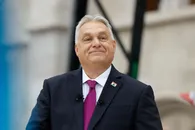
Hungarian Prime Minister Viktor Orban is reportedly using energy incentives as a strategic tool to influence former US President Donald Trump’s stance on Russia-related oil sanctions. As global tensions around energy supplies and geopolitical alliances continue, Orban’s move reflects his long-standing goal of balancing Hungary’s national interests with his close ties to both Moscow and Washington.
Orban has often positioned Hungary as a bridge between East and West, maintaining economic and political relationships with Russia while still being a member of the European Union and NATO. With Trump widely expected to play a major role in shaping US foreign policy if he returns to power, Orban’s effort to court him through energy cooperation highlights the complex interplay between diplomacy, economics, and international sanctions.
According to analysts, Hungary has been one of the few European countries openly critical of Western sanctions on Russian oil and gas. Orban has repeatedly argued that such measures hurt European economies more than they weaken Moscow. By offering potential energy deals or cooperation opportunities, he may be seeking to convince Trump that easing restrictions on Russian oil could serve both US and Hungarian interests, particularly if global energy markets tighten again.
This approach also aligns with Orban’s domestic agenda. Hungary remains heavily dependent on Russian energy imports, and the government has long resisted EU efforts to fully cut off these supplies. By engaging with Trump, Orban could be attempting to strengthen his position in future international negotiations and gain leverage within the European Union, where his policies often face criticism.
For Trump, who has previously expressed skepticism toward some sanctions and emphasized the importance of energy independence, Orban’s proposals may hold political appeal. Trump has often praised Orban’s leadership style and his focus on nationalism and border control. A renewed energy dialogue between the two could also serve as a signal to their shared base of supporters who favor strong, self-reliant national policies over global coordination.


Leave a Reply