

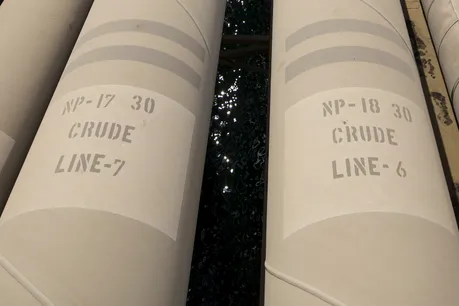
OPEC+ nations are once again grappling with the complex question of how much oil to produce, balancing market stability, revenue needs, and global demand. The group, which includes major oil producers like Saudi Arabia, Russia, and the United Arab Emirates, plays a critical role in influencing global oil prices and ensuring supply aligns with consumption. Decisions on production levels are closely watched by energy markets, governments, and investors alike.
The challenge for OPEC+ lies in weighing competing priorities. On one hand, increasing production can satisfy rising global demand, keep prices stable, and prevent a surge in black-market activity or reliance on alternative energy sources. On the other hand, pumping too much oil risks oversupply, which can depress prices and reduce revenues for member countries heavily dependent on energy exports. Striking the right balance is crucial for maintaining both economic stability and geopolitical influence.
Recent global economic trends complicate the picture. Slower growth in some major economies, fluctuating demand in emerging markets, and ongoing energy transitions toward renewable sources create uncertainty for future oil consumption. Additionally, geopolitical tensions, such as conflicts in key producing regions, can disrupt supply and influence OPEC+ decisions. These factors make forecasting demand and setting production targets increasingly challenging.
Internal dynamics within OPEC+ also play a role. Member countries have varying fiscal needs, production capacities, and political agendas, which can make consensus difficult. Saudi Arabia, often seen as the de facto leader, tends to advocate for production strategies that maintain price stability, while other members may push for higher output to generate short-term revenue. Negotiating these differences requires careful diplomacy and coordination.
Market reactions to OPEC+ decisions are immediate and significant. Announcements about production cuts or increases can trigger rapid changes in crude oil prices, impacting global energy costs, inflation, and even financial markets. Traders, analysts, and governments closely monitor OPEC+ meetings and statements, seeking clues about future supply and pricing trends.
OPEC+ also faces external pressures from major oil-consuming nations. Countries dependent on affordable energy may lobby for increased production to keep prices in check, especially during economic slowdowns or periods of inflation. Balancing these pressures with the need to maintain member revenues adds another layer of complexity to production decisions.
In conclusion, OPEC+ nations are confronting a delicate decision regarding how much oil to pump amid uncertain demand, geopolitical risks, and internal member differences. Their production choices will have wide-reaching effects on global energy markets, economic stability, and geopolitical influence. Successfully navigating this thorny issue requires careful analysis, coordination, and strategic foresight to ensure both market balance and national interests are maintained.


Leave a Reply