


Beginning Monday, millions of Indians are set to see some relief from everyday costs as Prime Minister Narendra Modi’s government implements sweeping cuts to the goods and services tax (GST).
Staples such as milk, bread, life and medical insurance, and essential medicines will become tax-free. Rates on small cars, televisions, and air conditioners will drop from 28% to 18%, while common items like hair oil, soap, and shampoo will now be taxed at just 5% instead of up to 18%.
The changes aim to simplify India’s complex GST system and boost household consumption, which accounts for more than half of GDP. The timing coincides with India’s four-month festive season, when spending typically surges on everything from vehicles to wedding attire.
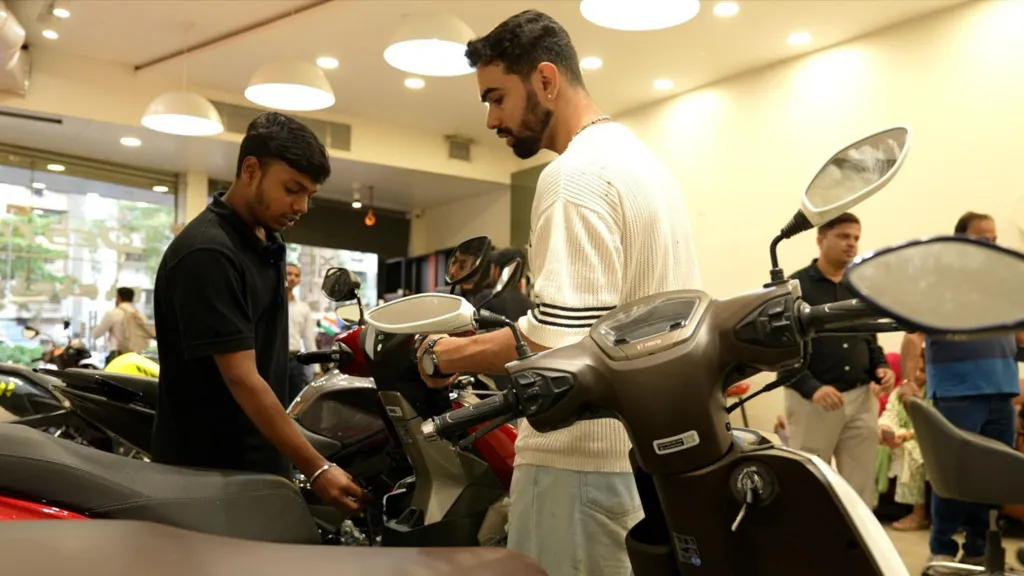
The tax cuts follow a $12 billion income tax giveaway and recent interest rate reductions, creating optimism for a spending revival. Automakers have already reported rising inquiries, with car and motorcycle stocks climbing up to 17% since Modi’s announcement. Hero Motocorp dealers in Mumbai expect sales to jump as much as 40%.
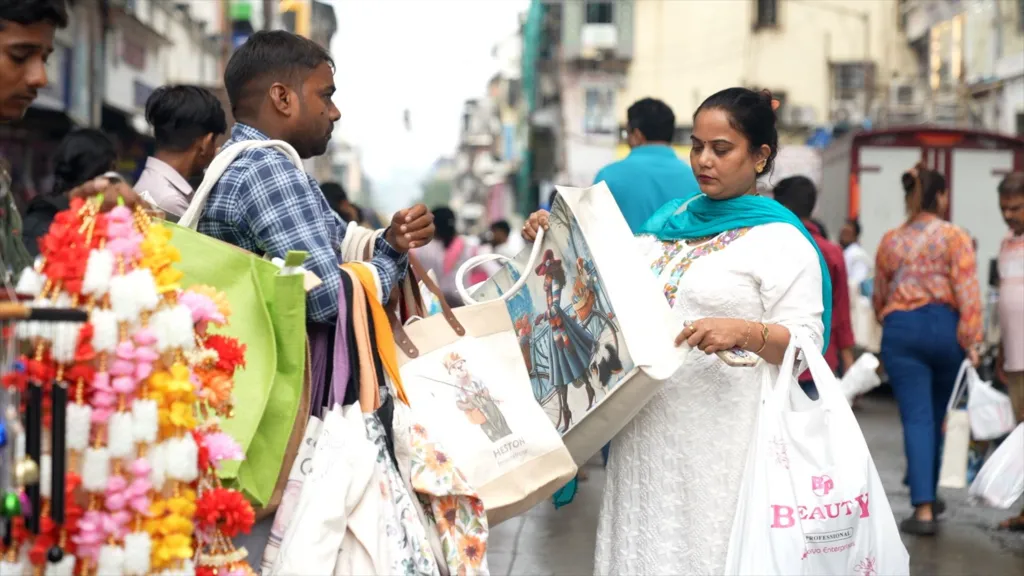
Consumer goods companies like Reliance, HUL, Mahindra & Mahindra, and Godrej are preparing to pass on savings to shoppers, though some small retailers remain confused or unprepared to adjust pricing quickly. Wedding outfitters warn that higher GST on garments over $29 could dent bridal spending.
Ratings agency Crisil estimates that lower taxes could benefit one-third of an average household’s monthly expenses, improving middle-class purchasing power over this and the next financial year.
However, the cuts may strain public finances. The government projects a $5.4 billion revenue loss this year, but agencies like Moody’s warn the shortfall could be larger, potentially forcing Delhi to curb infrastructure spending to maintain its fiscal deficit target.
Despite those risks, economists say the overall effect is likely to be positive, offering a timely boost to India’s consumer-driven economy during its busiest shopping season.


Leave a Reply