

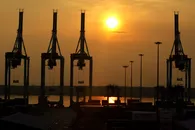
Malaysia is positioning a new energy hub linked to the royal family as a potential magnet for up to $35 billion in domestic and international investments. The initiative reflects the country’s ambition to become a regional leader in energy production, renewable technology, and industrial development, leveraging both strategic resources and high-level political support to attract capital.
The energy hub is expected to encompass a mix of oil, gas, and renewable energy projects. By consolidating infrastructure, research, and production capabilities in a centralized location, Malaysia aims to improve efficiency, foster innovation, and increase energy output. Investments are anticipated in advanced technologies, including solar, wind, and hydrogen, alongside traditional hydrocarbon operations, providing a diversified energy portfolio for the region.
Political backing, including ties to the monarchy, is a key factor in the project’s appeal. High-level support can facilitate regulatory approvals, secure partnerships, and boost investor confidence. The involvement of the royal-linked entity signals stability and commitment, which may help attract global investors looking for long-term opportunities in Southeast Asia’s energy sector.
The proposed $35 billion investment is expected to generate economic growth and employment opportunities. Large-scale construction projects, technology deployment, and operational activities will create jobs across multiple sectors, including engineering, logistics, research, and management. Additionally, the development of local supply chains and ancillary industries is likely to further stimulate economic activity and regional development.
Malaysia’s strategic location enhances the hub’s potential. Situated along key shipping routes and near major energy markets, the hub can serve as a central node for energy exports and regional trade. Connectivity with neighboring countries, as well as integration with global energy supply chains, positions the project to attract multinational corporations and investors seeking access to Asian markets.
Sustainability and technological innovation are central to the hub’s vision. By investing in renewable energy alongside conventional resources, Malaysia seeks to balance economic growth with environmental responsibility. Research partnerships and pilot programs may accelerate the adoption of clean technologies, supporting both domestic energy needs and international climate commitments.
In conclusion, Malaysia’s royal-linked energy hub, targeting $35 billion in investments, represents a strategic effort to consolidate energy resources, attract global capital, and drive economic development. With political backing, technological innovation, and regional connectivity, the initiative aims to position Malaysia as a leading energy player in Southeast Asia while generating jobs, boosting exports, and advancing sustainable energy solutions.


Leave a Reply