

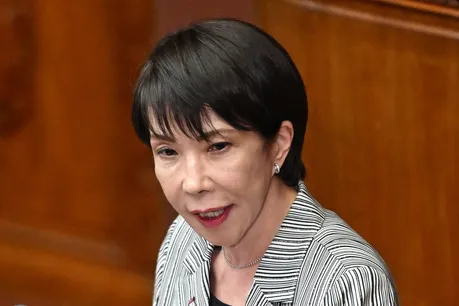
Japan’s economic policy is undergoing a notable shift as Takaichi, a leading government official, signals a move toward a looser budget goal. This change reflects a new approach to tackling persistent economic challenges, including slow growth, deflationary pressures, and the need to stimulate domestic demand. By relaxing previously strict fiscal targets, Japan hopes to create greater flexibility for public spending, investment, and policies aimed at supporting long term economic expansion.
The decision to adopt a looser budget goal comes at a time when Japan faces a complex economic environment. Consumer prices have been gradually rising, but wage growth has lagged, creating a tension between inflation and household purchasing power. At the same time the country continues to contend with an aging population and shrinking workforce, both of which place pressure on social spending and public finances. In this context, Takaichi’s approach seeks to balance fiscal responsibility with the need for proactive economic management.
One of the central motivations behind loosening the budget target is to encourage investment in infrastructure, technology, and social programs. By providing government agencies with more leeway in allocating funds, the policy aims to stimulate growth in sectors that have the potential to enhance productivity and long term competitiveness. Analysts suggest that such an approach could also boost consumer confidence, as households may perceive the government as more committed to supporting economic stability and job creation.
The shift also signals a departure from austerity oriented policies that have historically dominated Japan’s economic strategy. For decades the country has focused on maintaining strict fiscal discipline, often at the expense of stimulating domestic demand. Takaichi’s policy adjustment indicates a willingness to prioritize growth over rigid budget targets, reflecting a recognition that flexible fiscal policy can be an effective tool in addressing structural economic challenges.
However, the move is not without risks. Looser budget goals can raise concerns about increasing public debt and long term financial sustainability. Critics argue that without careful management, expanded spending could exacerbate fiscal imbalances and limit the government’s ability to respond to future economic shocks. To address these concerns, policymakers will need to ensure that additional spending is targeted and efficient, focusing on initiatives that deliver measurable economic benefits and promote sustainable growth.
The response from markets and business communities has been largely cautious but optimistic. Investors may view the policy shift as a positive signal that the government is committed to supporting economic growth and addressing structural issues. Businesses may find new opportunities for expansion and innovation, benefiting from increased public investment and government support. At the same time, careful monitoring of fiscal outcomes will be necessary to maintain confidence in Japan’s long term economic stability.
In conclusion, Takaichi’s decision to pursue a looser budget goal represents a significant adjustment in Japan’s economic policy. By prioritizing flexibility and growth over strict fiscal targets, the government aims to stimulate investment, support households, and address structural challenges in the economy. While risks remain, the move reflects a proactive approach to fostering sustainable development and enhancing Japan’s competitiveness in a changing global economic environment. This shift may ultimately reshape both policy priorities and public perception of Japan’s economic strategy in the years ahead


Leave a Reply