

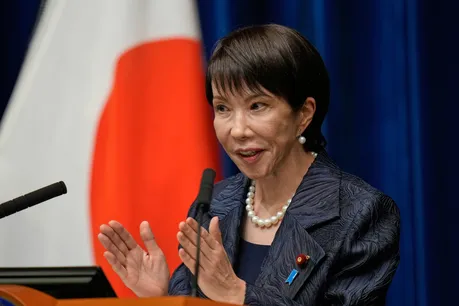
Japan’s economy is facing renewed pressure as inflation accelerates at a faster pace than expected, putting policymakers in a difficult position. The rising prices across essential goods and services are testing the government’s ability to maintain stability while ensuring that economic growth continues. For Sanae Takaichi, Japan’s Minister for Economic Security, the challenge is to balance inflation control with sustainable recovery measures.
Recent data has shown that consumer prices have climbed sharply, driven by higher energy costs, import prices, and continued pressure from global supply disruptions. Although Japan has long struggled with low inflation and sluggish demand, this new phase of rising prices is stirring concerns that the country could face a prolonged period of cost-driven inflation. For a nation accustomed to deflationary trends, this shift marks a significant turning point.
The Bank of Japan has maintained its ultra-loose monetary policy for years, aiming to stimulate spending and investment. However, as inflation rises faster than wages, the real purchasing power of households is declining. This imbalance threatens to dampen consumer sentiment and weaken domestic demand, the very engine Japan needs to sustain its economic recovery.
Minister Takaichi now faces mounting pressure to formulate a clear response. The challenge lies not only in addressing short-term inflation but also in managing the long-term structural issues that have made Japan vulnerable to such price shocks. One area of focus is energy security, as Japan relies heavily on imported fuel. Diversifying energy sources and accelerating investments in renewable energy could help reduce exposure to global price volatility.
At the same time, there is a growing call for measures that protect low- and middle-income households from the rising cost of living. Temporary subsidies, targeted tax relief, and support for small businesses could help cushion the impact of higher prices. Yet, any such measures must be implemented carefully to avoid further fueling inflation.
Analysts believe that Japan’s inflationary surge is both a challenge and an opportunity. On one hand, it puts pressure on policymakers to act decisively and coordinate fiscal and monetary policies more effectively. On the other hand, moderate inflation could help Japan finally escape the deflationary trap that has constrained its economy for decades. The key lies in managing inflation at a sustainable level rather than allowing it to spiral uncontrollably.
Takaichi’s response will be closely watched, both domestically and abroad. Investors and global partners are keen to see how Japan navigates this complex phase, especially as other major economies also grapple with inflationary trends. Her decisions could shape Japan’s economic direction for years to come, determining whether the country can turn short-term inflation pain into long-term structural gain.
In essence, Japan’s faster inflation underscores the need for swift, balanced, and forward-looking policy action. The road ahead is uncertain, but with clear coordination between government and central bank, Japan has an opportunity to transform this challenge into a chance for sustainable economic renewal.


Leave a Reply