

The global rise of anime has been one of the most remarkable cultural shifts of the last decade. Japan’s animation industry has grown from a niche entertainment category into a worldwide powerhouse with millions of devoted fans. China has been one of the largest and most enthusiastic markets in this expansion. Young audiences across Chinese cities embraced Japanese shows, characters and storytelling with passion, helping to build a huge commercial market for streaming platforms, merchandise sellers and theater releases. But political tensions between Japan and China have begun to cast a shadow over this thriving industry. A diplomatic spat between the two nations is now creating uncertainty that could slow the momentum of anime inside China.
At the center of this problem is the fragile relationship between politics and culture. Entertainment may feel separate from international disagreements, but in reality, cultural products often become entangled with national issues. China has strict control over the import of foreign media, and shifts in political mood can quickly influence what gets approved for public release. When relations between Tokyo and Beijing deteriorate, the entertainment sector feels the effects. Over the past year, several high profile anime releases faced delays, tighter censorship reviews or reduced promotion inside China. Streaming platforms that once relied on Japanese content to attract young subscribers began to move more cautiously. The vibrant wave of anime that once flowed easily into Chinese pop culture is no longer moving with the same freedom.
This tension comes at a time when the anime industry is experiencing its biggest global boom ever. Streaming platforms have invested heavily in new titles. Merchandise based on popular characters has generated billions of dollars in sales. Live tours, exhibitions and collaborations with international brands have helped anime become a mainstream cultural force. China was expected to remain one of the most important growth markets. Its large population of young consumers has consistently shown enthusiasm for fantasy worlds, emotional storytelling and character driven series that Japanese creators excel at producing. The current slowdown has therefore raised concerns among industry leaders in Tokyo and business partners in Shanghai and Beijing.
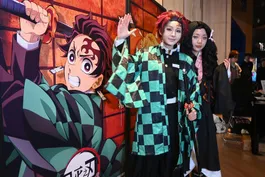
Despite these challenges, the interest in anime among Chinese youth remains strong. Social media communities continue to thrive. Fan art, discussions and cosplay gatherings are still popular. The cultural connection between Chinese audiences and Japanese creators runs deep and is unlikely to fade quickly. What is uncertain is the commercial pathway through which this interest can be fulfilled. If political tensions escalate, approvals for imported content could slow even further. The local industry might accelerate its efforts to produce homegrown animation inspired by Japanese styles. Some Chinese companies have already begun forming their own animation studios to reduce reliance on imported shows.
The future will depend largely on how the two governments manage their disagreements. If relations improve, the flow of anime into China could quickly recover. Companies on both sides have strong financial incentives to keep the market open. But if tensions remain high, the once unstoppable anime boom in China may continue to lose momentum. In the end, the situation highlights how even the most beloved cultural phenomena can be shaped by the forces of diplomacy and national politics.


Leave a Reply