

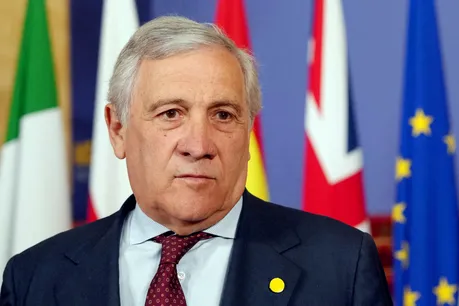
Italy’s Deputy Prime Minister has once again placed pressure on the European Central Bank by calling for immediate interest rate cuts and a restart of quantitative easing. The request reflects deep concerns inside the Italian government about slowing economic growth, rising borrowing costs and the impact of a strong euro on the competitiveness of Italian businesses. The statement also highlights the growing divide between countries that want looser monetary policy and those in the euro area that prefer to keep rates higher for longer in order to control inflation.
The Deputy Prime Minister argued that the current level of interest rates is harming small and medium sized businesses, which form the backbone of the Italian economy. Higher borrowing costs make it harder for companies to invest, hire workers and expand production. Italy, already burdened with one of the highest public debt levels in Europe, is feeling the pressure of increased interest payments, which limit the government’s ability to invest in public services and economic development. For this reason, Rome believes that a cut in rates would provide immediate relief to both the state and the private sector.
Alongside rate cuts, Italy is also urging the European Central Bank to revive quantitative easing. This type of policy involves the central bank buying government or corporate bonds in order to inject money into the economy and lower long term interest rates. Italy benefited greatly from this program when it was active, as it helped reduce yields on Italian government bonds and gave the country more space to manage its finances. A return to such a policy, Italy argues, would help stabilise financial markets and restore confidence in the European growth outlook.
However, the European Central Bank is currently cautious. Although inflation in the euro area has fallen from its peak, it remains close enough to the official target that policymakers are not yet convinced it is safe to loosen monetary policy. Some countries such as Germany, the Netherlands and Austria worry that lowering rates too early could reignite inflation. They also believe that governments like Italy should focus on structural reforms rather than relying on easier monetary conditions.
This disagreement is part of a long running tension within the euro area. The economic needs of southern European nations are often different from those of northern members, yet they share the same currency and central bank. Italy’s latest comments show how this tension grows whenever financial conditions tighten. The call for renewed quantitative easing can also be seen as a signal to the financial markets that Italy is preparing its political narrative in case growth continues to weaken.
Whether the European Central Bank responds to Italy’s demands in the near future will depend on new data, especially inflation numbers and indicators of economic activity. If the euro area enters recession or if inflation falls clearly below target, the central bank may find itself forced to act. Until then, Italy is likely to continue pushing, hoping to build support from other countries that may also be feeling the squeeze of higher rates.
In the end, the message from Rome is simple. The economy needs help, borrowing is becoming too expensive and urgent monetary support is required. The question now is whether the European Central Bank is ready to listen


Leave a Reply