

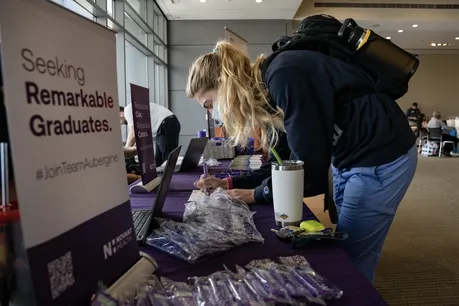
For many years, young people believed that earning a college degree was the key to entering the job market quickly. A degree was seen as a symbol of readiness, capability, and promise. However, recent trends suggest that this advantage is fading for people in their twenties. The job market has changed in ways that make employers look for something more than traditional education. As a result, graduates often find themselves waiting just as long as non graduates to secure stable work. This shift has made many young adults question the true value of a degree in terms of immediate employment.
One of the main reasons for this change is the growing demand for practical skills. Employers today often prioritize real world experience, problem solving abilities, and hands on knowledge. Many jobs now require candidates to show that they can adapt quickly, work with new technologies, and handle pressures that are typical in modern workplaces. Because of this, those who have completed internships, vocational training, or entry level roles sometimes have an easier time getting hired than recent graduates who lack such experience. Employers believe that skills learned on the job prepare people more effectively than classroom learning alone.
Another challenge is that the number of college graduates has increased significantly over recent decades. With more people holding degrees, competition has intensified. A degree no longer stands out the way it once did because it has become a common qualification rather than a rare advantage. When many applicants look similar on paper, employers shift their attention to additional differentiators such as past projects, technical certifications, communication skills, and practical achievements. This reality makes it clear that simply holding a degree is no longer enough to guarantee a faster path to employment.
The structure of the modern economy has also changed. Many rapidly growing industries such as technology, digital marketing, logistics, and creative services prioritize talent, skill, and adaptability over formal degrees. Some companies openly hire people without traditional education if they can demonstrate strong abilities through portfolios or performance assessments. This trend has opened opportunities for skilled individuals while also reducing the automatic benefit once associated with holding a degree. Young people entering these fields quickly learn that continuous learning and skill development matter more than the academic background listed on their resumes.
At the same time, many employers expect new entrants to have real experience even for beginner roles. This expectation creates a challenging cycle where young people cannot gain experience because they are not hired and they are not hired because they have no experience. A degree does little to break this cycle, which leaves many graduates frustrated as they navigate a slow and uncertain job search. To overcome this, young adults increasingly take internships, part time jobs, freelance projects, and volunteering roles to build their profiles.
Despite these difficulties, a college degree still holds long term value. It often leads to better earnings over time, provides access to specialized careers, and helps in professional growth. However, its immediate impact on job search speed has weakened. Young people today must combine their education with practical skills, relevant experience, confidence, and continuous learning. The new job market rewards those who show they can perform, adapt, and create value quickly.
This shift marks a new era in employment where education alone is not a ticket to instant opportunity. Instead, success comes from a mix of knowledge, experience, and the ability to evolve with the modern workplace.


Leave a Reply