

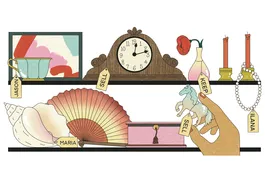
Many adults find themselves overwhelmed by the sheer volume of possessions accumulated by their parents over decades. From furniture and clothing to sentimental keepsakes and paperwork, managing a lifetime of belongings can feel like an impossible task. Yet with thoughtful strategies, it is possible to declutter, preserve important memories, and maintain a sense of control without creating conflict.
The first step is to clarify priorities. Identify which items hold genuine sentimental or practical value, and which are less essential. Not everything needs to be kept, and distinguishing between meaningful keepsakes and items that are merely taking up space helps guide the process. Creating categories such as “keep,” “donate,” “sell,” and “discard” can make decisions more concrete and manageable.
Start small and tackle one area at a time. Large-scale decluttering can feel overwhelming, so breaking it into smaller projects—like a single room, closet, or type of item—reduces stress and allows progress to be visible. For example, sorting through bookshelves first or tackling a set of kitchen items can provide a sense of accomplishment that motivates further action.
Involve your parents when possible. Their insights about the value or significance of certain items can help avoid unnecessary disputes and ensure important memories are preserved. At the same time, it is important to establish boundaries and communicate your own limits clearly, so that the process does not become a source of tension.
Digitize documents and photos. Scanning important paperwork, family photos, or memorabilia allows you to preserve memories without needing to store every physical item. Digital archives take up far less space and can be easily shared with other family members, creating a lasting record while reducing clutter.
Consider donating or repurposing items. Clothes, furniture, and household goods in good condition can benefit others, and giving items a second life can make the decluttering process feel more meaningful. Selling valuable or collectible items is another way to offset costs and ensure that items are appreciated by someone who values them.
Finally, practice self-compassion and patience. Sorting through a lifetime of belongings is an emotional process, and it is normal to feel attachment, guilt, or anxiety. Recognize that decluttering is not about erasing memories but about making space for your own life while honoring your parents’ legacy.
In conclusion, managing your parents’ possessions requires thoughtful planning, clear priorities, and practical strategies. By taking it step by step, involving family where appropriate, digitizing important items, and repurposing or donating what is not needed, you can preserve meaningful memories without being overwhelmed. The goal is to create a living space that reflects both respect for your parents’ past and your own present needs, allowing you to move forward with clarity and balance.


Leave a Reply