

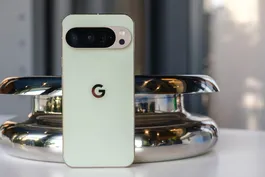
Google has introduced a new feature allowing Pixel users to share files directly with iPhone devices, effectively bridging the gap between the two ecosystems. Traditionally, Android and iOS devices have struggled with seamless file sharing, with Apple’s AirDrop remaining exclusive to its own products. Google’s move seeks to overcome this limitation by enabling Pixel phones to interact with iPhones in a way that mimics AirDrop’s convenience, potentially transforming how users exchange photos, videos, documents, and other media across platforms.
The new feature works by creating a secure, proximity-based connection between devices, similar to AirDrop. When a Pixel user selects a file to share, nearby iPhones can detect the request and receive content without relying on email, messaging apps, or cloud services. This method simplifies file transfers, reduces friction, and saves time, addressing a longstanding frustration for users who regularly move content between Android and iOS devices. For many, the feature represents a step toward a more integrated digital experience in an increasingly multi-platform world.
Google’s introduction of this functionality comes at a time when competition between tech giants remains intense. Apple has long emphasized the convenience and security of its ecosystem, encouraging users to remain within its network of devices. By enabling direct sharing between Pixel and iPhone, Google challenges this exclusivity, offering users more flexibility and choice. The feature also highlights Google’s broader strategy of making Android more interoperable with other platforms, reducing barriers for consumers who use mixed devices in daily life.
However, the launch raises questions about compatibility and authorization. Apple has not formally endorsed this cross-platform functionality, leading some to describe the implementation as “unauthorized.” While it leverages existing wireless protocols and encryption to ensure secure transfers, the move could prompt scrutiny regarding intellectual property, interoperability standards, and potential conflicts between the two companies. For users, this may result in occasional glitches or limitations as the feature evolves.
Security is a key concern with any file-sharing technology. Google has emphasized that the new system includes encryption and privacy safeguards similar to those in AirDrop, protecting users’ data during transfers. Files are only shared with devices in close proximity, and recipients must accept transfers to prevent unauthorized access. Maintaining these safeguards will be essential as the feature rolls out more broadly, given the sensitive nature of personal and professional data exchanged across devices.
The feature also underscores the growing demand for cross-platform integration. As more people use multiple devices for work, study, and entertainment, seamless interaction between different ecosystems becomes increasingly valuable. Consumers no longer want to be limited by the boundaries of a single brand. Google’s approach reflects this shift, attempting to provide a solution that balances convenience, security, and flexibility.
In conclusion, Google’s Pixel-to-iPhone file-sharing feature represents a bold attempt to reduce ecosystem barriers and make cross-platform interactions easier. While technically unauthorized by Apple, it addresses a real consumer need and signals Google’s intent to enhance interoperability. Its success will depend on user adoption, reliability, and continued attention to security, but it marks a significant step toward bridging long-standing divides between Android and iOS devices.


Leave a Reply