

The cybersecurity leader Fortinet has run into turbulence despite posting strong headline numbers for its latest quarter. The company reported a solid rise in overall revenue and earnings per share but investors reacted sharply because its largest revenue segment came in shy of analyst expectations. The disconnect between the underlying business performance and investor sentiment highlights both the strengths and emerging risks for the business.
At first glance Fortinet delivered a respectable performance. Revenue rose year-over-year and profitability expanded, indicating that demand for its products and services remains robust. The company’s management emphasized growth in its core offerings which integrate networking and security functionality under one platform. Despite these positives the mood darkened quickly when deeper scrutiny revealed the largest revenue segment failed to meet the consensus forecast.
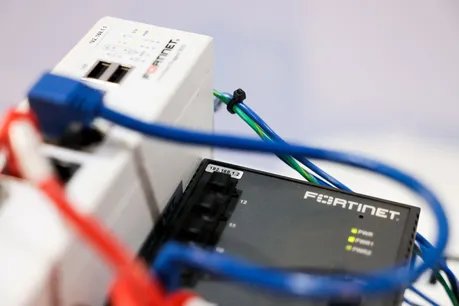
That segment, which comprises the company’s higher margin product business, did not grow as quickly as investors had hoped. While non-product or services revenues continued to show strength, the slower than anticipated growth of the hardware and appliance portion prompted concern. Hardware is often seen as a more cyclical and volatile business, and a shortfall here raises questions about refresh cycles and longer term growth drivers. In simple terms the question emerging from the market was not whether Fortinet grew but whether it grew in the right parts of the business.
Investor reaction was swift. Despite the strong topline numbers the company’s stock dropped significantly after the earnings announcement. That reaction underscores how much weight the market places on the sustainability of growth rather than just the headline results. It also reflects a growing wariness among investors about the tailwinds that have driven past success. One concern is that a large part of the upgrade cycle for firewalls and related infrastructure may already have occurred, meaning the future runway of hardware growth may be thinner than assumed.
Fortinet now faces the challenge of proving that it can offset slower growth in its largest revenue segment with higher growth in other areas such as software as a service or cloud security. The company has highlighted opportunities in secure access service edge solutions, artificial intelligence driven security, and growth in cloud networking. These areas offer higher margin potential and longer term recurring revenue models. Yet the transition from hardware-driven growth to service and software led expansion is not trivial and carries execution risk.
Another dimension to consider is macroeconomic and sectoral forces. Enterprise spending on cybersecurity remains strong because threats keep growing but the pace of new hardware deployments is increasingly tied to economic cycles and IT budgets. If firms rein in capital expenditures or delay hardware upgrades the impact will fall first on companies whose growth still depends on those upgrades. Hence the spotlight on Fortinet’s hardware weakness is more than just one quarter’s shortfall it is a hint of how broader forces may affect the cybersecurity hardware market.
For Fortinet the path ahead will be about maintaining competitive advantage, continuing to capture share in network security while accelerating growth in its services and cloud-native offerings. The company’s integrated approach remains a strength but investors will be looking for clear proof that the shift in revenue mix is underway and that the hardware business remains stable enough to support the rest. Communication around refresh cycles, backlog, and bookings will become more important in upcoming quarters.
In summary Fortinet’s recent earnings serve as a reminder that growth alone is not enough where and how a company grows matters deeply. The largest revenue segment missing analyst estimates triggered a sharp market reaction even though other parts of the business performed well. For shareholders and potential investors the key question now is whether Fortinet can maintain momentum by leaning into the future of cybersecurity while navigating the risks attached to its traditional hardware business. The next few quarters will matter greatly in determining whether this company’s growth story remains intact or needs recalibration


Leave a Reply