

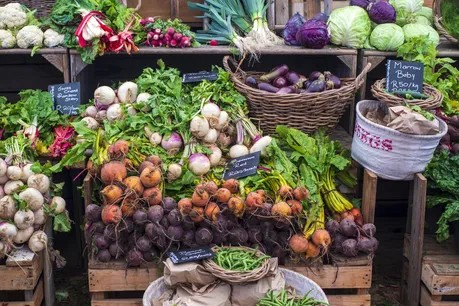
South Africa has recorded a significant improvement in national nutrition levels, reaching the highest point in five years. The boost comes largely from expanded food relief programs, government assistance, and nonprofit initiatives that have helped millions of families gain access to essential nutrition. After years of struggle caused by economic downturns, rising food prices, and pandemic-related hardship, the country is finally seeing positive progress in fighting hunger and malnutrition.
According to recent reports from local authorities and aid organizations, a combination of targeted food support and better coordination between public and private sectors has played a crucial role. Government food distribution drives, school feeding programs, and community kitchens have expanded their reach, ensuring that even remote and low-income households receive consistent food supplies. These measures have helped reduce hunger rates, particularly among children and the elderly, who were among the most vulnerable groups.
The turnaround is especially noteworthy given the persistent challenges South Africa faces in combating food insecurity. Inflation and unemployment have left many families struggling to afford nutritious meals. However, the rise in nutrition levels suggests that relief programs are effectively bridging the gap. Initiatives such as food voucher systems, local farming support, and partnerships with major retailers have also strengthened the overall food supply chain.
Community organizations have played a vital role in this improvement. Local nonprofits and faith-based groups have collaborated with municipalities to set up food distribution centers and nutrition education programs. By teaching families how to prepare balanced meals and reduce food waste, these initiatives are creating long-term changes beyond temporary relief.
The South African government has also prioritized child nutrition through its school feeding schemes, which now reach millions of students nationwide. These programs provide daily meals that meet basic nutritional standards, improving both health and academic performance. For many children, these school meals represent their most reliable source of daily nutrition.
Economic stability and improved agricultural output have contributed to the progress as well. Recent seasons of better crop yields and local farming incentives have increased food availability across provinces. Small-scale farmers have benefited from subsidies and access to markets, allowing them to contribute more effectively to community food security.
Health experts say that while the progress is encouraging, continued investment and oversight are essential to maintain and build upon these gains. Rising living costs still pose risks, and any reduction in funding or disruptions in food programs could reverse the improvements seen in recent years. There is also a growing emphasis on ensuring that nutrition efforts focus not only on quantity but also on quality, promoting a balanced diet that includes proteins, fruits, and vegetables rather than just staple foods.
For millions of South Africans, the improvement in nutrition represents more than just numbers—it symbolizes resilience and collaboration in the face of adversity. The success of these relief efforts shows what can be achieved when government agencies, communities, and private organizations work together with a shared goal.
As the nation looks ahead, sustaining this upward trend will require ongoing commitment, innovative solutions, and a continued focus on the most vulnerable populations. For now, the rise in nutrition levels stands as a hopeful sign that South Africa is making meaningful progress toward ensuring that every citizen has access to the food and nourishment they deserve.


Leave a Reply