

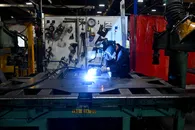
Canada’s manufacturing and wholesale sectors are showing growing signs of pressure as trade tensions continue to weigh on the economy. In August, both factory and wholesale sales recorded declines, highlighting the toll that global trade disputes are taking on Canadian industries. Manufacturing sales fell by around one percent, while wholesale receipts slipped by about 1.2 percent, marking one of the most notable slowdowns of the year.
The manufacturing downturn was driven mainly by weaker sales in transportation equipment, particularly in aerospace products and motor vehicle parts. These sectors, heavily reliant on exports to the United States, have been hit hard by tariffs and reduced demand linked to ongoing trade frictions. Other categories such as metals and machinery also saw slight declines, reflecting lower orders and production adjustments by factories facing uncertain market conditions.
On the wholesale side, sales fell as motor vehicle parts, food, and beverage segments weakened. Businesses reported slower movement of goods, suggesting cautious consumer and retailer behavior. At the same time, inventories rose, with manufacturing stocks up 0.3 percent and wholesale inventories increasing by 0.7 percent. This combination of falling sales and rising stockpiles indicates a buildup of unsold products, which could lead to future production cuts if demand remains soft.
Economists point out that the decline aligns with the broader global slowdown in goods trade caused by tariff measures and shifting supply chains. Canada’s close economic ties with the United States make it especially vulnerable to trade policy changes, as much of its industrial output depends on cross-border exports. The uncertainty surrounding future trade negotiations has made many firms hesitant to invest or expand production, leading to a cooling in overall activity.
The impact is not limited to manufacturing. Wholesale traders and distributors are also feeling the strain, with many reporting tighter profit margins and reduced orders from retailers. Rising operating costs and weaker export markets are adding further challenges. These pressures, if sustained, could begin to affect employment levels in key industrial regions such as Ontario and Quebec, where manufacturing remains a vital part of local economies.
For policymakers, the slowdown raises concerns about Canada’s growth outlook. The Bank of Canada may face increased pressure to consider policy measures that support business investment and maintain consumer confidence. However, given the global nature of the slowdown, domestic actions may have limited short-term effects.
In conclusion, the recent decline in factory and wholesale sales highlights how vulnerable Canada’s economy remains to external shocks and trade tensions. While the country has maintained relative stability in other sectors such as services and housing, the weakness in manufacturing could have broader implications if it persists. The coming months will be crucial in determining whether this slowdown is temporary or a sign of deeper challenges in Canada’s trade-dependent industries.


Leave a Reply