

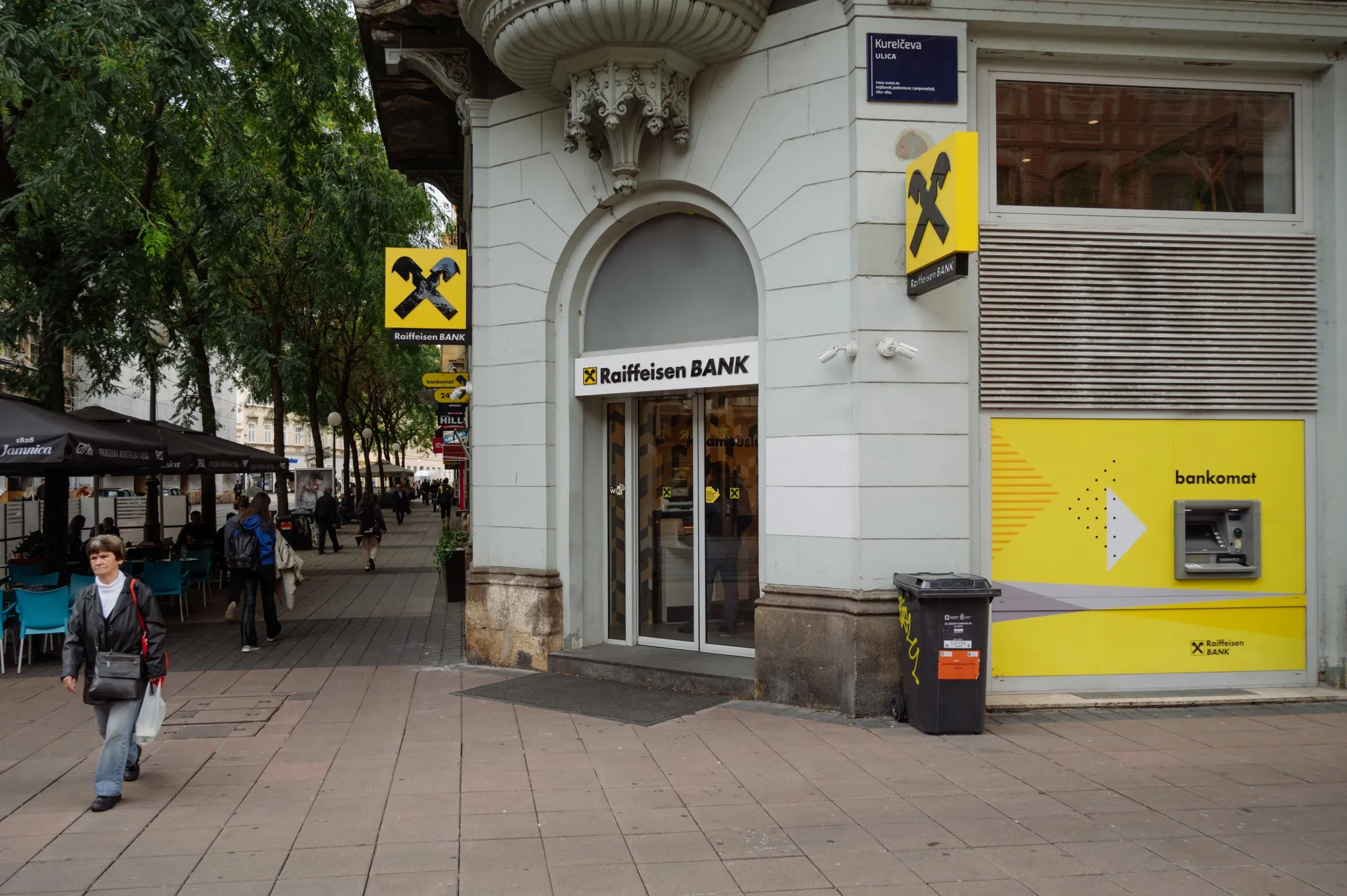
The European Union’s unified front against Russia has hit another roadblock this time from Austria. Vienna has reportedly delayed the latest round of EU sanctions targeting Moscow, citing unresolved concerns over compensation for Raiffeisen Bank International (RBI), one of the few major Western lenders still operating in Russia. This standoff reveals the complex web of financial interests and geopolitical challenges the EU faces in maintaining pressure on the Kremlin.
Austria’s Objection: Protecting Raiffeisen’s Interests
Austria’s resistance centers on Raiffeisen Bank International, a Vienna-based financial giant with deep roots in Central and Eastern Europe. Since Russia’s invasion of Ukraine in 2022, Raiffeisen has come under intense scrutiny for its ongoing business operations in Russia which remain a major profit source. Despite global sanctions, RBI continues to facilitate payments and financial services within Russia, though under strict EU compliance.
Vienna argues that the new sanctions package could severely affect Raiffeisen’s operations, potentially blocking its ability to recover billions of euros in frozen assets or transfer profits from its Russian subsidiary. Austria’s stance is that before imposing new restrictions, the EU must ensure that banks like Raiffeisen receive fair compensation or at least clarity on how to exit the Russian market without financial losses.
EU Frustration and Growing Divisions
Austria’s move has reportedly frustrated other EU members, particularly those pushing for stronger measures against Moscow as the war drags into its third year. The EU has already passed over a dozen sanctions packages since 2022, targeting Russian oil, technology, defense, and financial sectors. However, unanimity among all 27 member states is required to approve new measures giving Vienna significant leverage.
This delay highlights a recurring issue within the EU: balancing national economic interests with collective geopolitical goals. While countries like Poland and the Baltic states advocate for tougher sanctions, others including Hungary and now Austria — are more cautious due to their economic exposure to Russia.
Raiffeisen’s Balancing Act
Raiffeisen Bank has been walking a tightrope since the war began. The lender earned nearly 50% of its 2023 profits from Russian operations, making a swift exit financially damaging. However, Western regulators and the U.S. Treasury have pressured the bank to reduce its exposure, fearing its Russian business could indirectly support Moscow’s economy.
In response, Raiffeisen has announced plans to scale down operations and explore potential divestments. But the process has been slow due to Russia’s tight capital controls and political sensitivities.
Broader Implications for EU Unity
Austria’s stance could have broader implications beyond the financial sector. By delaying sanctions, it risks signaling division within the EU something Moscow has long tried to exploit. A fractured European response could weaken the overall impact of Western sanctions, providing Russia more breathing space economically.
However, Vienna insists its position is not pro-Russia but pro-fairness. Austrian officials argue that the EU must consider the collateral damage to European companies still entangled in the Russian market.
Conclusion
Austria’s hesitation to approve new Russia sanctions underscores the intricate balance between moral duty and economic reality. As long as European businesses remain financially tied to Russia, such disagreements are likely to persist. The Raiffeisen episode serves as a reminder that sanctions are not just political tools they are economic weapons that can sometimes cut both ways.


Leave a Reply