

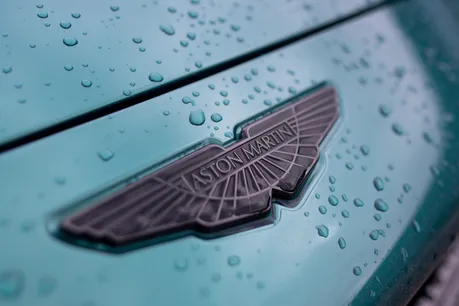
Luxury carmaker Aston Martin has announced an aggressive cost-cutting plan as new US tariffs threaten to strain its already fragile finances. The British automaker, known for its sleek sports cars and close association with the James Bond franchise, is facing higher import duties that could reduce its profitability in one of its most important markets.
The company revealed that it is implementing a series of measures aimed at preserving cash and improving efficiency across its operations. These include tighter control over production costs, renegotiation of supplier contracts, and a renewed focus on high-margin models. Aston Martin said the cost cuts are necessary to offset the financial impact of tariffs on vehicles exported to the United States, a key destination for its luxury lineup.
Aston Martin has faced financial challenges in recent years, with fluctuating demand, rising material prices, and a competitive global market affecting its performance. The new tariffs imposed by the US government on certain British-made vehicles have added another layer of difficulty. Executives at the company warned that unless trade conditions improve, the brand could face pressure on both revenue and profit margins.
Chief Executive Amedeo Felisa emphasized that the company remains committed to its long-term strategy but must act swiftly to adapt to the changing trade environment. He stated that Aston Martin will continue investing in electrification and technology but will streamline spending in non-critical areas to maintain financial stability. “Our priority is to safeguard the business during this period of uncertainty while continuing to deliver exceptional vehicles to our customers,” Felisa said.
The United States represents one of Aston Martin’s largest and most profitable markets, accounting for a significant share of its global sales. Any increase in tariffs could make its cars more expensive for American buyers, potentially reducing demand. The company is now reviewing its pricing strategy to absorb some of the cost increases while maintaining its premium brand positioning.
Analysts note that the timing of these tariffs is particularly challenging for Aston Martin, which has been working to recover from years of financial strain. The automaker recently completed a restructuring plan and received new investment aimed at stabilizing its balance sheet and funding future product development. However, higher trade barriers and global economic uncertainty could complicate those recovery efforts.
In addition to cost reductions, Aston Martin is exploring opportunities to expand in markets less affected by tariffs, such as the Middle East and parts of Asia. The company is also pushing ahead with its electric vehicle program, which it views as essential for long-term growth and competitiveness. The first fully electric Aston Martin model is expected to debut later this decade, part of a broader transition toward a more sustainable product lineup.
Despite the near-term challenges, the automaker’s leadership expressed confidence that decisive action now will strengthen the company’s position once trade tensions ease. By tightening its operations and focusing on efficiency, Aston Martin aims to navigate the current disruptions while preserving its iconic status in the global luxury car market.
The coming months will be crucial for the British marque as it balances short-term cost control with long-term innovation. If successful, Aston Martin could emerge from this difficult period leaner, more focused, and better prepared to compete in an increasingly complex international landscape


Leave a Reply