

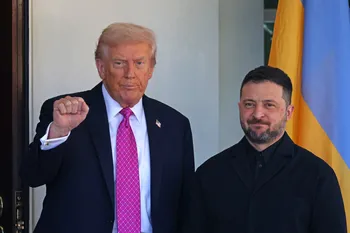
The ongoing conflict in Ukraine has created one of the most complex security challenges in recent history. As the war continues, policymakers and analysts debate strategies that could end hostilities while protecting Ukraine’s sovereignty and stability in the region. Hal Brands, a respected columnist, argues that a realistic plan must combine sustained military support, pragmatic diplomacy, and long-term strategic thinking rather than relying solely on idealistic goals or short-term measures.
A core element of a viable strategy is continued defensive assistance. Ukraine’s ability to resist aggression and reclaim territory has relied heavily on weapons, intelligence, and training provided by allies. Brands emphasizes that military aid should focus on strengthening defensive capabilities to preserve Ukrainian control over key regions while avoiding escalation that could draw broader powers into the conflict. Carefully calibrated support enables Ukraine to maintain leverage in potential negotiations while ensuring it can defend its population effectively.
Diplomacy is equally essential. A workable plan requires clear, realistic negotiation frameworks involving regional powers and international stakeholders capable of influencing both Ukraine and Russia. Structured dialogue, confidence-building measures, and neutral mediators can help create conditions for compromise. Incentives and consequences must be balanced so that both sides have reason to engage constructively, rather than prolonging stalemates or escalating the conflict further.
Economic and humanitarian support is another critical component. The war has disrupted Ukraine’s economy and placed immense pressure on civilians. Effective planning should include reconstruction assistance, support for energy and food security, and aid for displaced populations. International coordination ensures the country can meet immediate needs while focusing on defense and governance, reinforcing resilience and stability.
Long-term strategic considerations are also vital. Even after hostilities subside, unresolved security concerns and territorial disputes could reignite tensions. Brands advocates for measures such as security guarantees, border arrangements, and institutional reforms that strengthen governance and reduce vulnerabilities. By pairing immediate defense with long-term stability, the plan becomes both sustainable and credible.
Implementation requires patience, discipline, and close coordination among allies. Fragmented or unilateral actions are unlikely to succeed in a situation where military, political, and economic factors intersect. Sustained commitment from international partners is necessary to ensure Ukraine has the resources and support to protect its sovereignty and navigate post-conflict recovery.
In conclusion, a Ukraine plan that would actually work combines robust defensive support, pragmatic diplomacy, humanitarian assistance, and long-term security measures. Success depends on realistic goals, careful coordination, and a focus on practical outcomes. By adopting this comprehensive approach, the international community can help Ukraine defend itself, protect civilians, and establish conditions for lasting stability in the region.


Leave a Reply