

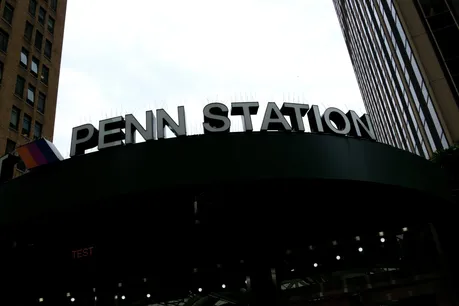
In a move that highlights New York City’s shifting real estate dynamics, a cluster of office spaces near Penn Station will soon be converted into 107 modern studio apartments. This transformation is part of a broader trend in post-pandemic New York where unused office buildings are being repurposed to meet the growing demand for affordable urban housing.
The Project: From Empty Desks to New Homes
The redevelopment project, spearheaded by a private real estate group in coordination with city officials, aims to breathe new life into one of Manhattan’s busiest business districts. Once known for its bustling office towers, the area around Penn Station is now experiencing a steady decline in office occupancy, driven by the work-from-home revolution and hybrid job structures.
By converting these underused commercial properties into residential units, developers hope to address New York’s housing shortage while revitalizing the local economy. The new complex will feature 107 studio apartments, offering compact, efficient living spaces ideal for young professionals, students, and city newcomers seeking proximity to transit and midtown amenities.
Why Office-to-Residential Conversion Makes Sense
The COVID-19 pandemic permanently altered the way businesses operate. Many companies downsized their physical offices, leaving vacant floors across Manhattan. With office vacancy rates hovering above 20%, city planners have encouraged developers to repurpose outdated office spaces for housing a move that simultaneously tackles two major challenges: empty buildings and housing scarcity.
This Penn Station conversion is one of several similar initiatives taking shape across New York City. Developers find these projects economically feasible because converting older office buildings often costs less than constructing entirely new residential towers. Additionally, the city offers tax incentives and zoning flexibility to encourage adaptive reuse.
A Step Toward Solving NYC’s Housing Crisis
New York City has been grappling with an affordability crisis, with median rent prices reaching record highs in 2025. Studio apartments especially those located near transit hubs are in particularly high demand.
The 107 new apartments near Penn Station are expected to attract renters who prioritize convenience and connectivity. With direct access to Amtrak, Long Island Rail Road, and multiple subway lines, the location is among the most transit-rich in the city.
City officials have hailed the project as a model for future urban redevelopment combining smart planning, sustainability, and social impact.
Broader Implications for NYC’s Real Estate Market
The conversion signals a larger trend in New York’s real estate transformation strategy. As the city adapts to changing economic realities, developers are rethinking space utilization in favor of mixed-use developments. This approach aims to create neighborhoods that are vibrant around the clock not just during business hours.
Urban planners believe that projects like this will help bring balance back to Midtown Manhattan, reduce vacancy rates, and support the city’s post-pandemic recovery efforts.
Final Thoughts
The conversion of NYC offices near Penn Station into 107 studio apartments symbolizes a forward-looking approach to urban living. By turning obsolete office spaces into affordable, functional homes, New York is not just adapting to a new reality it’s redefining what city living can look like in the 21st century.
As more developers follow this model, the city’s skyline and its housing future may look dramatically different more inclusive, sustainable, and built for the way people live today.


Leave a Reply