

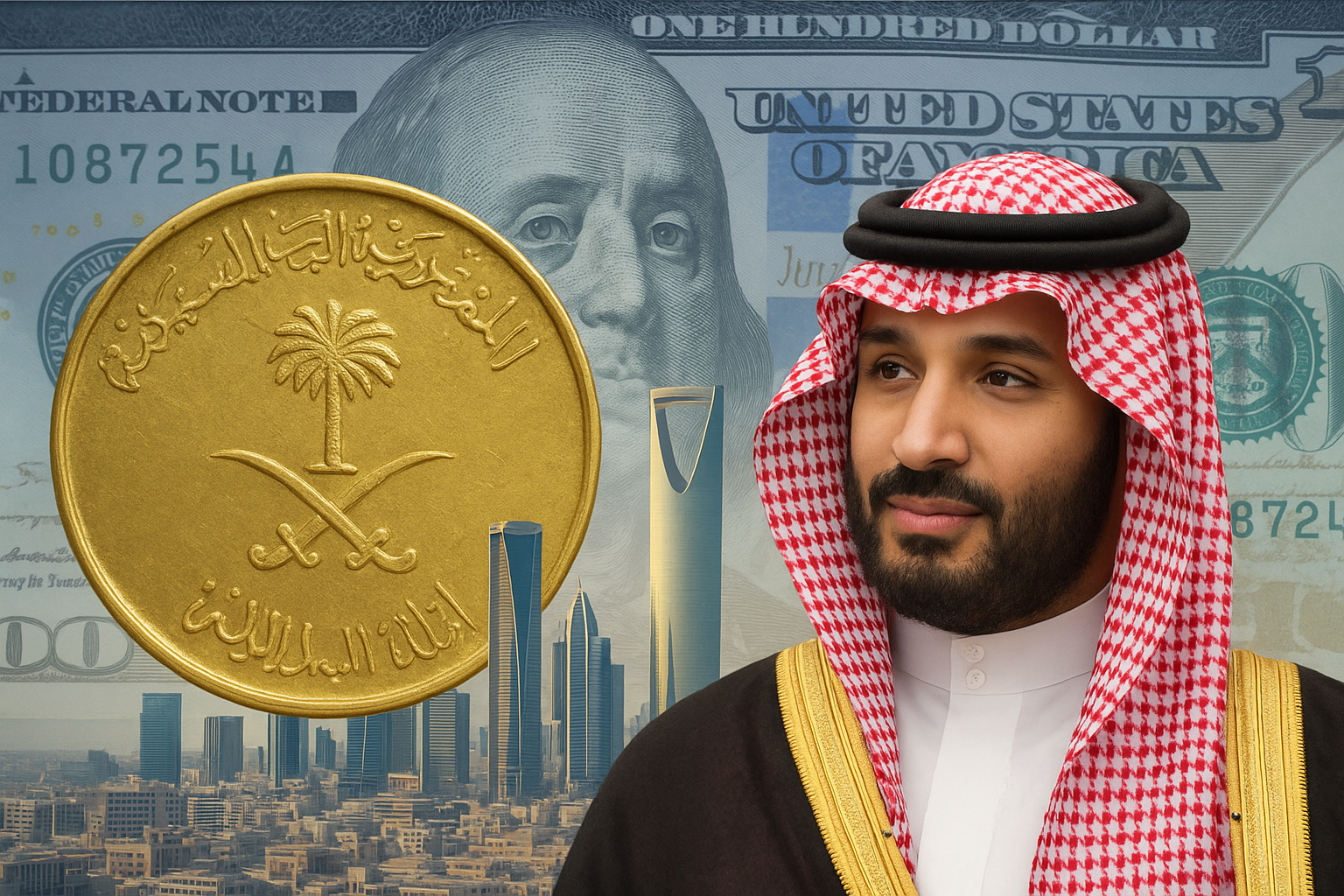
In a surprising financial move, the Saudi Arabian government is reportedly seeking a $10 billion loan from a group of international banks. A rare occurrence for one of the world’s wealthiest oil exporters. This development has caught the attention of global investors and financial analysts, sparking discussions about the Kingdom’s fiscal strategy, economic diversification plans, and global financial positioning.
A Rare Loan Deal from a Wealthy Nation
Saudi Arabia’s decision to pursue a $10 billion syndicated loan marks an unusual step for a country that typically relies on its massive oil revenues and sovereign wealth funds to finance its projects. According to reports, the funds are expected to support the government’s Public Investment Fund (PIF) the key driver of Crown Prince Mohammed bin Salman’s ambitious Vision 2030 economic transformation plan.
The loan is being structured with the help of international lenders, including major U.S. and European banks. Negotiations are reportedly in advanced stages, and the deal could be finalized soon.
Why Saudi Arabia Needs This Loan
Although Saudi Arabia remains one of the world’s leading oil producers, its budget has faced growing pressure due to falling oil revenues, massive infrastructure projects, and large-scale investments in non-oil sectors such as tourism, technology, and renewable energy.
The PIF, valued at over $700 billion, has been aggressively investing in domestic and global projects — from NEOM, the futuristic city, to stakes in electric vehicle makers and tech startups. However, maintaining such large-scale initiatives requires liquidity, prompting the government to explore financing through loans rather than depleting its reserves.
Financial experts suggest that this move could also be aimed at leveraging low-interest international borrowing rates and preserving domestic liquidity, ensuring that Saudi Arabia continues to meet its development goals without straining local financial markets.
Implications for the Global Economy
Saudi Arabia’s loan request signals a broader shift in how even resource-rich nations are managing their finances in a post-pandemic, energy-transition world. The Kingdom is actively diversifying its economy away from oil dependency, but that transition requires significant upfront funding.
This decision may encourage other Gulf nations to adopt similar strategies, using international financing to bridge fiscal gaps while continuing to invest heavily in non-oil growth sectors.
Moreover, global lenders are likely to welcome this move, as Saudi Arabia’s strong credit profile and stable economic outlook make it a low-risk borrower. The deal could strengthen financial ties between Riyadh and Western banking institutions, particularly as the Kingdom deepens its role in global capital markets.
A Step Toward Vision 2030
This rare borrowing effort underscores the Saudi government’s commitment to its Vision 2030 roadmap, which aims to create a diversified, innovation-driven economy. Major projects under this vision include NEOM, The Line, Qiddiya, and various renewable energy ventures all requiring sustained financial backing.
By seeking external funding, Saudi Arabia demonstrates a pragmatic approach: balancing fiscal responsibility with strategic expansion. The move also signals confidence in its long-term economic prospects, as global lenders are expected to respond positively.
Conclusion
Saudi Arabia’s plan to secure a $10 billion loan is more than a financial transaction. It’s a strategic maneuver reflecting the Kingdom’s evolving economic priorities. While oil remains the backbone of its economy, this decision highlights Riyadh’s focus on diversification, sustainability, and global integration.
As the world’s largest oil exporter turns to global banks for funding, the move will be closely watched by investors and policymakers alike signaling that even energy giants are adapting to a new era of fiscal innovation and global financial interdependence.


Leave a Reply