

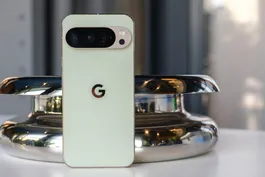
Google has taken a bold and unexpected step by introducing a new feature that allows Pixel users to send files directly to iPhones using a system that closely mirrors Apple’s famous AirDrop. This move has immediately sparked interest across the tech world because it challenges long standing barriers between Android and iOS ecosystems. The feature is being described as unauthorized because Apple has not officially partnered with Google to enable this level of compatibility. Instead, Google has found a way to make the experience smoother for users who constantly shift files between both platforms.
For many years, one of the biggest frustrations for smartphone users has been the difficulty of transferring photos, videos, and documents between Android and iPhone devices. AirDrop made file transfers incredibly easy for Apple users, while Android users relied on alternatives that were often slower or required additional apps. This technological gap created a sense of inconvenience for mixed device families, students, and professionals who needed a quick solution without relying on cloud uploads or messaging apps that reduce quality. Google’s new method attempts to eliminate this friction and create a more seamless user experience.
The system works by using a combination of local WiFi and Bluetooth signals, similar to AirDrop’s behavior. When a Pixel device detects an iPhone nearby, it gives the user an option to initiate a fast and secure transfer. Early tests suggest that the speed is comparable to AirDrop’s performance, which is a significant achievement considering how tightly controlled Apple’s system usually is. This unexpected compatibility has caught the attention of developers and analysts who are now wondering about Apple’s next move.
Apple has historically limited cross platform features to keep users within its ecosystem. By controlling the ease of communication between devices, Apple strengthened the sense of loyalty among its customers. Google’s new feature bypasses that barrier and may force Apple to reconsider how closed its ecosystem should remain. Tech experts believe that Apple could respond in different ways. It may block the feature in a future update, negotiate with Google to create an official standard, or introduce its own broader cross platform solution under controlled conditions.
For users, this development feels like a major win. The ability to transfer files easily between two of the world’s most popular smartphone platforms brings convenience that has been missing for more than a decade. Students who work on group projects, photographers sharing high quality images, and families exchanging videos will all benefit from this new level of connectivity. The feature may also push other companies to create more open tools that focus on user needs rather than ecosystem control.
In the broader picture, this step reflects a shifting landscape in the tech industry. As artificial intelligence, cloud services, and digital communication become more central to daily life, the battle over device ecosystems is evolving. Users want flexibility, speed, and compatibility. Companies that adapt to these expectations will win greater trust and build stronger global communities. Google’s move is a strong message that the future belongs to open and user friendly technology, and that long standing barriers between platforms may finally begin to break down


Leave a Reply