

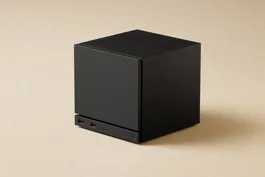
Valve, the company behind the popular Steam digital gaming platform, has officially announced the Steam Machine, a new console designed to bridge the gap between PC and traditional console gaming. The Steam Machine aims to bring the flexibility, performance, and extensive game library of a PC into a living-room-friendly format, providing gamers with a seamless experience that combines hardware and software innovation.
The Steam Machine is built around Valve’s SteamOS, a Linux-based operating system optimized for gaming. SteamOS allows players to access the vast Steam library, including thousands of titles across genres, without the need for a conventional Windows PC. The operating system is designed for ease of use on a television screen, featuring a user-friendly interface that supports controller-based navigation and in-home streaming.
Valve has emphasized modularity and customization as key features of the Steam Machine. Unlike traditional consoles, which have fixed hardware specifications, Steam Machines allow users to select components that match their performance needs and budget. This flexibility appeals to gamers who want the power of a high-end PC with the convenience of a console. Users can upgrade graphics cards, storage, and memory over time, extending the device’s longevity and adapting it to evolving gaming requirements.
The console also integrates tightly with Valve’s Steam ecosystem, offering features such as Steam Workshop support, cloud saves, and cross-platform play. Gamers can enjoy multiplayer matches, download user-generated content, and sync progress across devices, creating a unified gaming experience. Additionally, Valve plans to collaborate with hardware partners to offer multiple configurations, catering to both casual and hardcore gamers.
Another highlight is the Steam Controller, designed specifically for use with the console. The controller features dual trackpads, haptic feedback, and customizable buttons, allowing precise control in a wide range of games, including those traditionally played with a mouse and keyboard. This innovation helps translate PC-style gameplay to a living-room environment, providing accessibility without compromising on functionality.
The announcement of the Steam Machine signals Valve’s ambition to compete with established consoles like PlayStation and Xbox, while leveraging its dominant position in the PC gaming market. By offering hardware that blends the advantages of PCs with the comfort of consoles, Valve hopes to attract both existing Steam users and new gamers seeking flexible, high-performance gaming solutions.
In conclusion, Valve’s Steam Machine represents a new approach to console gaming, combining customizable hardware, a PC-oriented operating system, and integration with the Steam ecosystem. By bridging the gap between traditional consoles and gaming PCs, the Steam Machine offers players flexibility, performance, and a vast game library in a living-room-friendly format, potentially reshaping how gamers access and experience digital entertainment.


Leave a Reply