

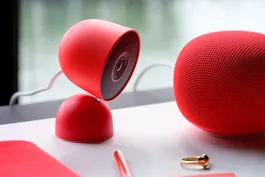
Amazon and Google are exploring ways for their smart home cameras to work seamlessly together, signaling a potential shift in the smart home ecosystem. Traditionally, devices from different tech giants have operated in isolated systems, forcing users to manage multiple apps and interfaces. The new approach would allow cameras and other smart devices from both companies to interconnect, improving convenience and creating a more unified smart home experience.
The integration would enable users to view feeds, receive alerts, and manage settings across platforms without switching between apps. For example, a Google Nest camera could communicate with an Amazon Ring system, allowing notifications or video sharing across devices. This interoperability could simplify home monitoring, enhance security, and provide a more cohesive experience for consumers who already use products from both companies.
Such collaboration reflects a broader trend in the smart home market. Consumers increasingly demand devices that can communicate across ecosystems, giving them flexibility and avoiding lock-in with a single brand. By enabling cross-platform functionality, Amazon and Google aim to meet these expectations while maintaining their competitive edge. The move could also encourage adoption of smart home technology by reducing complexity and improving usability.
Privacy and security remain critical considerations. Both companies will need to ensure that data shared between devices is encrypted and protected, maintaining user trust. Establishing clear protocols for data handling, access permissions, and interoperability standards will be essential to prevent vulnerabilities that could be exploited by cyber threats. Consumers will likely scrutinize these safeguards, especially as homes become increasingly connected.
From a market perspective, collaboration could benefit both companies by expanding the reach of their products. Interoperability may reduce barriers for consumers hesitant to adopt smart home devices from multiple brands. It also positions Amazon and Google to compete with other ecosystems that prioritize integration, such as Apple’s HomeKit, which has traditionally emphasized cross-device communication within its own ecosystem.
Technical challenges remain, including standardizing protocols, ensuring device compatibility, and updating software to support cross-platform functionality. However, the growing demand for unified smart home experiences makes the effort worthwhile. Successful integration could set a precedent for future cooperation between competing tech companies, benefiting consumers and driving innovation in connected home technology.
In conclusion, Amazon and Google exploring interoperability for their smart home cameras represents a significant step toward a more unified, user-friendly smart home ecosystem. By enabling devices to work together, the companies aim to simplify home monitoring, enhance security, and meet growing consumer expectations. While privacy, security, and technical hurdles must be addressed, this collaboration could reshape how smart home technology is experienced and adopted worldwide.


Leave a Reply