

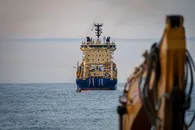
Tech giants Google and Meta have postponed the deployment of undersea internet cables in the Red Sea due to mounting security concerns. These subsea cables are critical infrastructure, carrying vast amounts of global internet traffic, but geopolitical tensions and potential threats to their safety have prompted the companies to reassess timelines and risk mitigation strategies. The delays underscore the growing challenges tech firms face in balancing infrastructure expansion with security and political sensitivities.
The Red Sea is a strategically important region for global communications, connecting Europe, the Middle East, and Asia. Subsea cables passing through this corridor are vulnerable to natural hazards, accidental damage, and potential sabotage. Recent geopolitical tensions in the area, coupled with incidents involving maritime security, have heightened concerns about the reliability and safety of planned installations. Companies must evaluate these risks carefully to prevent disruptions that could affect millions of users worldwide.
For Google and Meta, undersea cables are part of broader efforts to enhance global connectivity and improve internet speed and reliability. These cables support cloud services, social media platforms, and digital content delivery, making them essential for business operations and user experiences. Delays in deployment may slow expansion plans in the region, impacting service availability and competitive positioning for these tech firms.
Security considerations extend beyond physical threats. Cables carry sensitive data, and their vulnerability could pose cybersecurity risks if tapped or intercepted. Ensuring both physical and digital security requires coordination with local authorities, adherence to international regulations, and the implementation of advanced monitoring technologies. Companies are increasingly investing in risk assessment and mitigation strategies to protect these critical assets.
The postponement also highlights the geopolitical dimension of technology infrastructure. Nations and regions may exert influence over undersea projects due to strategic, economic, or security interests. Companies must navigate complex regulatory environments and maintain relationships with governments to ensure smooth implementation. This interplay of business objectives and geopolitical realities adds another layer of complexity to global connectivity projects.
Despite the delays, Google and Meta remain committed to expanding internet infrastructure. The companies are exploring alternative routes, reinforcing existing networks, and enhancing security measures to mitigate risks. These steps reflect a cautious but proactive approach to maintaining global connectivity while safeguarding investments and user data.
In conclusion, the delay of Red Sea undersea cables by Google and Meta underscores the challenges of building critical internet infrastructure in a geopolitically sensitive region. Security risks, both physical and digital, have forced companies to reassess timelines and strategies. While these delays may temporarily affect connectivity expansion, they highlight the importance of careful planning and risk management in ensuring the reliability and safety of the global internet network.


Leave a Reply