

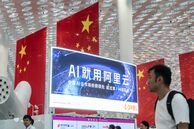
China’s leading technology companies are increasingly focusing on artificial intelligence agents, signaling a new phase in the country’s tech competition. These AI agents, which can perform complex tasks, interact conversationally, and assist with decision-making, are becoming central to the strategies of giants such as Baidu, Tencent, and Alibaba. The emphasis on AI agents reflects the growing recognition that intelligent, autonomous systems can transform industries ranging from customer service to healthcare, finance, and e-commerce. China’s tech leaders see AI agents as a critical differentiator in global innovation and domestic market dominance.
AI agents differ from traditional AI tools by offering more proactive and adaptive functionality. Rather than merely responding to queries or executing pre-defined commands, these systems can analyze data, make recommendations, and perform multi-step processes with minimal human intervention. For companies, this opens the door to increased efficiency, improved user experiences, and new business models. For instance, AI agents can handle routine tasks in banking, manage virtual shopping assistants, or provide medical insights, reducing operational costs while increasing accuracy and responsiveness.
Competition in this space is fierce. Each major company is racing to develop AI agents that are faster, smarter, and more capable than rivals’ offerings. Baidu has invested heavily in integrating AI agents into its search engine and cloud services, aiming to enhance both consumer and enterprise applications. Tencent is exploring AI-driven virtual assistants for gaming, social media, and business productivity. Alibaba focuses on e-commerce and logistics, using AI agents to optimize supply chains, personalize shopping experiences, and automate customer support. These investments reflect the belief that AI agents will be a cornerstone of future digital ecosystems.
Government policy also plays a role in shaping this competition. China has emphasized AI development as a national priority, providing incentives, funding, and regulatory support to accelerate adoption. Tech companies benefit from a supportive environment for research and deployment, though they must navigate strict data privacy and content regulations. This combination of encouragement and oversight drives innovation while ensuring alignment with broader national strategies.
The AI agent race also has global implications. China’s advancements in autonomous AI systems may influence international standards, cross-border applications, and partnerships with foreign firms. Companies worldwide are watching these developments closely, as China’s rapid progress in AI could redefine competitive dynamics in technology, manufacturing, and services. The push for AI agents reflects both domestic ambition and a desire to compete on the global stage.
For consumers and businesses, AI agents promise convenience, speed, and smarter solutions. Yet, their rise also raises questions about ethics, privacy, and labor impacts. As these systems become more capable, careful governance and transparency will be essential to ensure responsible deployment. Balancing innovation with accountability will be critical for maintaining trust while harnessing the technology’s potential.
In conclusion, China’s top companies are treating AI agents as the next battleground for technological leadership. By investing heavily in autonomous, intelligent systems, they aim to enhance efficiency, drive innovation, and secure competitive advantage. The outcome of this race will shape the future of AI both within China and globally, highlighting the transformative power of intelligent agents in the modern economy.


Leave a Reply