

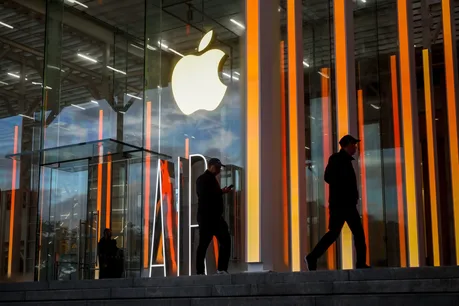
Apple has long been known for its stability, strong financial performance, and careful approach to managing its workforce. For many years, the company has avoided broad layoffs even during economic slowdowns. That is why its recent decision to cut jobs across its sales organization has surprised many people in the technology and business world. This rare move signals that even the most successful global companies must sometimes make adjustments when facing new pressures, shifting strategies, or changing market realities.
The layoffs within Apple’s sales division point toward a deeper reassessment of how the company reaches customers and manages relationships with partners. Sales teams play an important role in promoting products, coordinating with retailers, and supporting business clients. When a company reduces staff in such a key department, it often means that leadership is trying to reshape the way the organization operates. This could involve adopting new technologies, streamlining processes, or shifting focus toward different markets. Apple has been expanding into new areas such as services, artificial intelligence, and advanced chip technology, so the changes in the sales division may reflect a broader realignment of priorities.
One possible reason behind the decision is the changing nature of global consumer demand. Over the past year, many regions have seen slower sales of smartphones, tablets, and other electronics. Economic uncertainty, inflation, and reduced spending power have made consumers more cautious. Even a strong brand like Apple can feel the effects of these trends. When demand grows unevenly, companies may need to adjust the size and structure of their sales teams to match new conditions. Although Apple continues to perform well compared to many competitors, the shift in the global market may have encouraged leaders to rethink how they allocate resources.
Another factor may be the rise of digital sales and automated systems. More customers now buy devices online, explore products through virtual experiences, and depend on digital support tools rather than traditional sales interactions. As these patterns grow, companies may decide that fewer in person sales roles are needed. Apple’s investment in online services, direct to consumer platforms, and automated support may have reduced the need for some positions within the sales division. This does not diminish the importance of human expertise, but it does highlight how technology is reshaping the structure of modern organizations.
While the layoffs are significant, Apple has stated in the past that it aims to treat employees fairly when making any staffing changes. The company typically offers support, resources, and transition assistance to help workers navigate the next steps in their careers. Even so, losing a job is never easy, and the news has sparked conversations about job security in the technology industry. For many years, major tech firms grew rapidly and expanded their workforces. Now, with shifting economic forces and competitive pressures, some of these companies are moving into a new phase where efficiency and strategic focus matter more than simple growth.
For investors and analysts, the layoffs serve as a reminder that Apple is willing to make tough decisions to protect its long term direction. Although the company rarely reduces staff, this step suggests that leaders are preparing for future challenges and opportunities. The technology landscape is evolving quickly, and companies must constantly adapt to stay ahead. Apple’s decision to cut jobs in its sales organization reflects not only current market conditions but also its effort to position itself for the next era of innovation.
In the broader picture, the move shows how even the strongest companies face moments of recalibration. As Apple continues to develop new technologies and expand into new areas, the structure of its workforce will evolve. The rare layoff signals a complex moment for the company, but it also highlights the ongoing transformation taking place across the global technology industry


Leave a Reply