

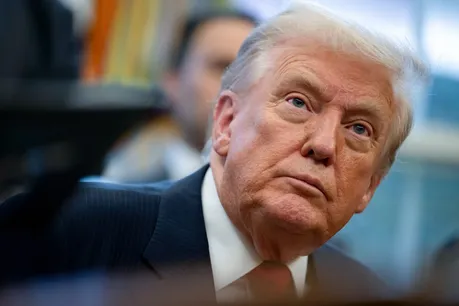
Former President Donald Trump has defended the use of H-1B visas, describing them as essential for bringing skilled workers into the United States, even as his administration pursued policies to raise costs and tighten regulations on the program. The H-1B visa system, widely used by technology and other high-skilled industries, has long been a point of debate, balancing the demand for international talent with concerns about domestic employment and wage protection. Trump’s remarks signal an acknowledgment of the program’s importance to the U.S. economy, even as policy changes have sought to make it more restrictive.
The H-1B visa program allows U.S. companies to hire foreign professionals in specialty occupations, particularly in sectors like technology, engineering, and healthcare. It has been a crucial tool for companies facing domestic skill shortages, enabling them to fill roles that require advanced technical knowledge. Trump’s administration previously attempted to increase visa fees and implement stricter eligibility requirements, aiming to prioritize American workers and reduce perceived exploitation of the system. Critics argued that these measures made it more difficult for businesses to recruit the talent needed to remain globally competitive.
In defending the program, Trump highlighted that high-skilled visas are necessary for maintaining innovation and supporting industries that rely heavily on specialized expertise. Tech companies, research institutions, and universities depend on international talent to drive growth, develop new technologies, and maintain leadership in a rapidly evolving global economy. By supporting H-1B visas in principle, Trump recognized the economic contribution of skilled immigrants while still advocating for reforms designed to protect American workers.
The policy tension reflects a broader debate over immigration and economic competitiveness. On one hand, critics of the H-1B program argue that excessive reliance on foreign labor can depress wages and reduce job opportunities for U.S. citizens. On the other hand, proponents emphasize that the program addresses genuine skill gaps, fosters innovation, and supports industries critical to national growth. Trump’s approach, combining defense of the visa’s necessity with moves to raise costs and enforce stricter standards, embodies this balancing act.
Industry stakeholders have closely monitored these developments. Technology firms, in particular, warned that raising H-1B costs and imposing additional restrictions could limit their ability to hire top talent, slow product development, and reduce competitiveness against international rivals. Universities and research centers also stressed that limiting access to skilled workers could impact scientific progress and innovation. Trump’s defense of the visa program, therefore, serves to reassure these sectors that the U.S. continues to recognize the value of foreign expertise, even amid regulatory adjustments.
In addition to economic implications, the H-1B visa debate has political significance. Immigration policy remains a contentious issue in U.S. politics, and any changes to high-skilled visa programs can influence public perception, workforce dynamics, and bilateral relations with countries supplying talent. By defending the program while supporting cost increases, Trump sought to appeal to both business leaders and constituents concerned with protecting domestic employment.
In conclusion, Trump’s defense of H-1B visas underscores the program’s importance in maintaining U.S. competitiveness in high-skilled industries. While his administration’s measures to raise costs and tighten eligibility rules reflect concerns about domestic labor protection, the acknowledgment of H-1B’s economic necessity highlights the ongoing balancing act between fostering innovation and safeguarding local employment. This dual approach illustrates the complexities of immigration policy in a globally interconnected labor market.


Leave a Reply