

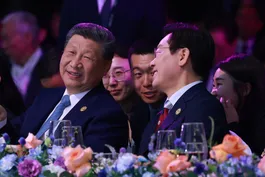
After nearly a decade of strained relations, Beijing and Seoul appear to be warming up culturally once again, signaling a possible revival of exchanges between two of Asia’s most dynamic entertainment powerhouses. The move marks an important shift following years of political tension that had disrupted cultural cooperation, trade in entertainment content, and tourism between China and South Korea. With recent diplomatic gestures and mutual initiatives, both countries seem ready to reopen doors that had long remained closed to creative collaboration.
The rift between China and South Korea dates back to 2016, when Seoul’s decision to deploy a US missile defense system known as THAAD triggered sharp backlash from Beijing. In response, China imposed informal restrictions on Korean entertainment, blocking K-pop stars, television dramas, and films from entering the Chinese market. This unofficial “K-culture ban” deeply affected South Korea’s entertainment industry, which had been rapidly gaining popularity across Asia through the Korean Wave, or Hallyu. The freeze also limited cultural diplomacy, reducing people-to-people exchanges and mutual tourism that once flourished between the two nations.
Now, signs of improvement are emerging. In recent months, Chinese streaming platforms have quietly started reintroducing Korean dramas, and Korean artists have received invitations to participate in events and performances in China. Meanwhile, South Korean media outlets have reported growing optimism among production companies and artists eager to reconnect with Chinese audiences. The shift suggests that both governments recognize the value of cultural engagement as a tool for rebuilding trust and fostering regional stability.
For China, easing restrictions on South Korean content aligns with its broader goal of expanding cultural openness and revitalizing its entertainment market. The country’s younger population has continued to show enthusiasm for Korean pop culture, despite official barriers, and regulators may now be acknowledging the economic and social benefits of allowing more foreign cultural products. For South Korea, renewed access to China’s massive consumer base offers a significant economic boost, especially for entertainment firms that have seen slower growth in other markets.
Beyond entertainment, this thaw could have broader diplomatic implications. Cultural exchange has often served as a bridge in East Asia, helping to ease tensions where political dialogue has been difficult. By fostering collaboration in music, film, and art, Beijing and Seoul could create a more positive atmosphere for addressing other sensitive issues such as trade, regional security, and technology cooperation. Both governments appear to understand that cultural diplomacy can pave the way for more stable and productive relations.
The business community has also taken note. Companies in tourism, fashion, and consumer goods are watching closely, as renewed cultural interaction often stimulates cross-border demand. Travel agencies are hopeful that the lifting of informal barriers will lead to an increase in tourism, with Chinese visitors returning to South Korea’s cultural landmarks and Korean travelers once again visiting major Chinese cities.
While challenges remain, including lingering political mistrust and global economic uncertainties, the renewed emphasis on cultural ties signals a positive step forward. The potential reopening of cultural channels between China and South Korea could restore a sense of normalcy and mutual appreciation that has been missing for years.


Leave a Reply