

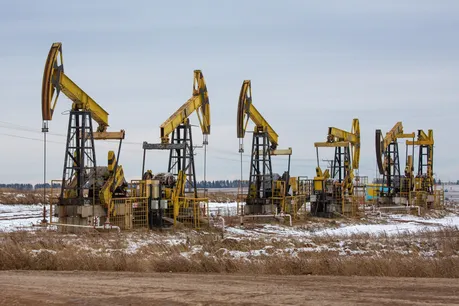
The United States has renewed its call for NATO allies, including Turkey, to reduce or completely halt their purchases of Russian energy. This latest appeal reflects Washington’s ongoing efforts to weaken Moscow’s economic leverage as the conflict in Ukraine continues. According to US officials, energy revenues remain one of Russia’s primary sources of funding for its war efforts, and limiting those revenues is essential to maintaining international pressure and sustaining Western sanctions.
Turkey, a key NATO member with strong economic and energy ties to Russia, has found itself in a delicate position. The country relies heavily on Russian natural gas and oil, which make up a significant portion of its energy imports. While Turkey has supported several NATO initiatives and provided diplomatic assistance in mediating between Russia and Ukraine, it has avoided joining Western sanctions directly. The US is now urging Ankara to gradually diversify its energy supplies and align more closely with the alliance’s broader economic strategy against Moscow.
American officials argue that continued energy purchases from Russia undermine the effectiveness of sanctions and allow Moscow to stabilize its economy despite international isolation. The US has also been encouraging European allies to adopt alternative energy sources, including liquefied natural gas from the US and renewable projects within Europe. Many European countries have already reduced their dependence on Russian energy significantly since 2022, but nations like Turkey and Hungary remain exceptions due to geographic and economic factors.
Turkey’s government has defended its approach by emphasizing the importance of maintaining energy security and affordable supplies for its population. Officials in Ankara point out that Turkey’s geographic location makes it a natural energy hub connecting Europe, Asia, and the Middle East. Cutting off Russian energy too abruptly, they argue, could create serious economic disruptions and strain relations that are necessary for regional stability. Nonetheless, Turkey has also been expanding its partnerships with Azerbaijan, Qatar, and the United States to secure alternative energy sources over the long term.
Analysts note that the US strategy is not simply about energy but about reinforcing unity within NATO. The alliance is facing a critical test as it seeks to maintain cohesion in its response to Russia while balancing the diverse economic realities of its members. The American message to Turkey and other allies is clear — long-term security interests must take precedence over short-term economic benefits.
At the same time, Washington is aware of the practical challenges involved. Energy markets are complex, and sudden shifts in supply chains could increase costs for consumers and industries. That is why US officials are offering diplomatic and technical support to help allies transition toward alternative sources gradually rather than through immediate restrictions.
The issue highlights a broader geopolitical tension within NATO as countries navigate the balance between economic needs and collective defense commitments. The United States remains determined to isolate Russia financially, while countries like Turkey continue to seek a middle path that preserves both economic stability and diplomatic flexibility. How Ankara responds to Washington’s latest call will reveal much about the future of cooperation within NATO and the evolving energy landscape of Europe and its neighbors


Leave a Reply