

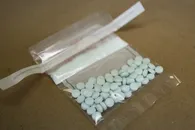
China has implemented tighter controls on the export of drug precursors to North America following a recent trade agreement with the United States. The move comes amid growing concern over the role of precursor chemicals in the production of illegal drugs and the broader challenges of regulating cross border chemical trade. By restricting shipments, China aims to ensure compliance with both domestic law and international obligations while responding to pressure from the United States to curb the flow of materials used in illicit drug manufacturing.
Drug precursors are chemicals that are essential for producing controlled substances. These compounds, while legal for legitimate industrial and pharmaceutical purposes, can be diverted to create illegal drugs such as methamphetamine and fentanyl. In recent years, North America has faced a surge in synthetic drug use and related overdoses, prompting governments to seek tighter controls on the import and export of precursor chemicals. China’s latest restrictions reflect a recognition of its role in the global supply chain and the need for greater oversight.
The trade agreement with the United States has added urgency to the implementation of these measures. As part of negotiations, both countries have discussed mechanisms to enhance regulatory coordination and prevent the diversion of chemicals into illicit markets. China’s decision to curtail exports of specific precursors represents a concrete step toward fulfilling commitments under the trade deal and addressing longstanding U.S. concerns about drug production and trafficking.
The impact of these restrictions is expected to be significant for North American manufacturers who rely on legal imports of chemical precursors for legitimate industrial, research, and pharmaceutical purposes. Companies must now navigate stricter export controls, increased documentation requirements, and potential delays in obtaining materials. While these measures aim to prevent illegal activity, they may also affect businesses engaged in legal chemical production, highlighting the challenges of balancing regulation with commerce.
Experts note that the move underscores the complexity of global drug policy enforcement. Controlling precursors requires coordination among exporting and importing countries, rigorous monitoring, and timely sharing of information about suspicious transactions. China’s restrictions demonstrate a willingness to engage in such efforts, but they also illustrate the difficulties in ensuring that measures do not inadvertently disrupt legitimate trade.
From a public health perspective, curbing the flow of precursors is seen as a critical component of combating the opioid crisis and other drug related challenges. Limiting access to key chemicals can slow the production of dangerous synthetic substances, reduce availability in the market, and ultimately save lives. At the same time, enforcement must be complemented by education, prevention, and treatment programs to address demand and mitigate the broader social impact of drug abuse.
In conclusion, China’s decision to restrict drug precursors to North America following the U.S. trade agreement represents a significant step in controlling the supply of materials used for illegal drug production. While the move demonstrates regulatory responsibility and international cooperation, it also highlights the balance that must be struck between preventing illicit activity and supporting legitimate industry. The effectiveness of these measures will depend on continued collaboration, monitoring, and enforcement to ensure that the goal of reducing synthetic drug production is achieved without unintended consequences for lawful commerce.


Leave a Reply