

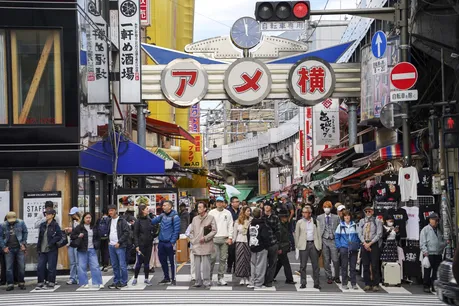
Japan’s economy is showing signs of resilience as households across the country have started to boost their spending despite the ongoing pressure of inflation. This shift in consumer behavior has surprised many analysts who expected the rising cost of living to curb household expenditure. However, the determination of Japanese consumers to maintain their quality of life and contribute to economic recovery reflects a cautious optimism in the nation’s financial landscape.
Over the past few years, Japan has faced a complex mix of challenges, including a weakening yen, global supply chain disruptions, and the lingering effects of the pandemic. These factors collectively led to higher import prices and an increase in inflation, which initially caused households to tighten their budgets. But recent data shows that spending on goods, leisure, and travel has started to pick up. Families are gradually returning to pre-pandemic habits, such as dining out, shopping, and investing in domestic tourism. This increase in consumption has provided a much-needed boost to Japan’s economic growth rate.
Experts believe that one of the major reasons behind this rise in spending is the improvement in the job market and wages. Several Japanese companies have announced salary increases in an effort to support employees against rising prices. This has improved consumer confidence and given households more flexibility to spend. Government policies have also played a key role, with incentives and subsidies encouraging people to invest in energy-efficient appliances and local travel. Such initiatives are helping both households and businesses to stay afloat during uncertain times.
Despite these positive signs, the challenge of inflation still looms large. The cost of food, fuel, and utilities remains high, and many families are carefully managing their budgets to balance needs and wants. Economists suggest that if inflation continues at its current pace without a corresponding increase in wages, the spending trend could slow down again. The Bank of Japan has been closely monitoring the situation, weighing the risks of price increases against the need to stimulate economic growth.
Interestingly, Japan’s culture of saving is slowly evolving. Traditionally, Japanese households were known for their high savings rate and conservative spending habits. But younger generations are showing a different attitude. They are more willing to spend on experiences, technology, and personal comfort. This change in mindset is driving new sectors of the economy, such as digital services, entertainment, and sustainable products.
In conclusion, Japan’s households have demonstrated remarkable resilience in the face of inflation. Their willingness to spend despite economic pressures signals a sense of hope and adaptability that could shape the country’s future growth. While inflation remains a concern, the current spending momentum provides optimism that Japan can balance its economic challenges with the determination of its people. The coming months will reveal whether this positive consumer trend continues or slows, but for now, it stands as a sign of confidence in Japan’s economic recovery.


Leave a Reply