

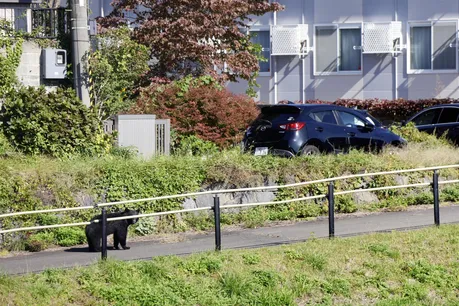
Japan is facing an unusual and increasingly alarming problem as wild bears are making their way into cities, leading to growing fear and frustration among residents. These so called urban bears are wandering through towns and residential areas in search of food, causing safety concerns and forcing local authorities to rethink how to handle the delicate balance between wildlife conservation and human safety.
The issue has been escalating over the past few years, but recent incidents have brought it into sharper focus. In several parts of northern Japan, particularly in regions like Hokkaido and Akita, bear sightings have surged as shrinking natural habitats and food shortages push the animals closer to human settlements. The bears are often drawn by the scent of garbage, crops, or even domestic animals, creating a tense coexistence between wildlife and urban life.
Experts say climate change and rural depopulation are two of the main factors behind the growing bear encounters. As temperatures rise and seasonal food sources such as acorns and berries become less predictable, bears are forced to search farther for nourishment. Meanwhile, Japan’s aging population and declining rural communities mean there are fewer people maintaining farmland and forest boundaries. Once bustling agricultural zones are now overgrown and poorly monitored, offering ideal cover for bears venturing toward cities.
The problem has not only sparked fear but also cultural and political debates. Japan has long revered bears in folklore as powerful yet noble creatures, but the reality of daily bear sightings, attacks, and property damage has tested public patience. In recent months, several attacks have been reported, prompting calls for stronger government measures. Local hunters have been mobilized to capture or, in extreme cases, kill aggressive animals, though these actions have drawn criticism from animal rights advocates.
Authorities are under pressure to find solutions that protect both humans and wildlife. Some municipalities are experimenting with bear warning systems, including drones, motion sensors, and loudspeaker alerts to warn residents of nearby bears. Others are improving garbage management and encouraging residents not to leave food waste outside. Education campaigns are also underway to teach people how to react during encounters and how to secure their property.


Leave a Reply