

The longest government shutdown in United States history has not only disrupted public services but has also created deep and lasting effects on the nation’s economy. What began as a political standoff has now evolved into a situation affecting millions of Americans and several key sectors. The shutdown, which has lasted longer than any in the country’s history, is testing the resilience of both the government and the private sector. As days turn into weeks, the economic impact is spreading far beyond Washington, reaching households, small businesses, and global markets.
One of the most immediate consequences has been the financial hardship faced by federal workers. Hundreds of thousands of government employees have gone without pay, forcing many to dip into their savings or seek temporary employment. This reduction in disposable income is affecting local economies, particularly in areas with a large concentration of federal workers. Restaurants, shops, and service providers are experiencing a noticeable drop in sales as people cut back on spending. This ripple effect highlights how interconnected public employment is with everyday economic activity.
Small businesses are also among the hardest hit. Many rely on federal contracts, permits, and loans that are now delayed due to the shutdown. Entrepreneurs waiting for government approvals to expand operations or start new projects are facing uncertainty and financial strain. The Small Business Administration’s loan program, which supports many startups, has been temporarily halted, leaving thousands of applications in limbo. The result is a slowdown in investment and job creation, which could take months to recover from even after the government reopens.
The broader economy is beginning to feel the strain as well. Analysts warn that prolonged government inactivity could reduce the country’s overall growth rate for the quarter. Key data releases, such as economic reports from federal agencies, are being delayed, making it difficult for businesses and investors to make informed decisions. The lack of reliable information from the government adds another layer of uncertainty to an already fragile global economic environment.
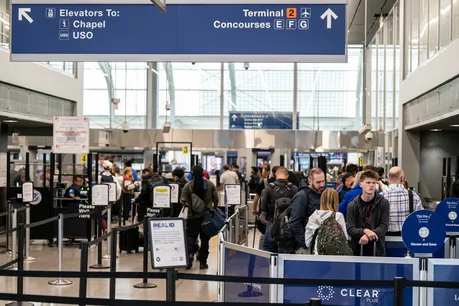
Tourism and transportation have also suffered. National parks and museums remain closed or are operating with limited services, leading to lost revenue for nearby businesses. Air travel is being affected as security staff and air traffic controllers face growing pressure from unpaid work, raising safety and operational concerns. The longer the shutdown continues, the greater the risk of lasting damage to the reputation and efficiency of these services.
Financial markets are reacting cautiously to the situation. While investors initially viewed the shutdown as a temporary political impasse, growing signs of economic disruption have begun to shake confidence. Prolonged uncertainty can weaken consumer sentiment and slow investment, both of which are vital for economic stability.
In conclusion, the record-breaking government shutdown is not just a political event but an economic crisis with far-reaching consequences. From unpaid workers and struggling small businesses to delayed projects and shaken investor confidence, the effects are being felt across all levels of society. Even after the government reopens, it may take months or even years for some sectors to fully recover. The shutdown has revealed how deeply the U.S. economy depends on the smooth functioning of its government, and it serves as a reminder of the cost of political gridlock on national prosperity


Leave a Reply