

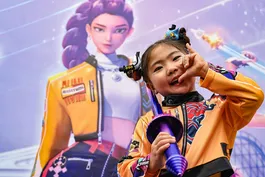
KPop Demon Hunters has quickly become the biggest global hit in the history of Netflix, surprising even the platform’s own analysts with its explosive rise. The series blends Korean pop culture, fantasy action, and supernatural storytelling in a way that has captured audiences far beyond the traditional K-Pop fanbase. Yet one question is now being asked by entertainment industry observers and fans alike: If the show is this successful, why is there no toy or merchandise empire behind it?
Normally, when a global streaming title reaches blockbuster status, the merchandise machine activates almost immediately. From Stranger Things to Squid Game, toys and collectibles have played a major role in expanding cultural influence and generating billions in additional profit. But with KPop Demon Hunters, the merchandising gap is obvious. There are no official action figures, no collectible sets, no branded fashion lines, and no children’s products. The fact that the show is so visually stylized and character-driven makes the absence even more unusual.
One reason may be the speed at which the show grew. Netflix is not designed like a traditional Hollywood studio that plans merchandising strategies years in advance. Instead, many of its biggest hits are unexpected and go viral after release. Because KPop Demon Hunters did not start out as a guaranteed franchise, the associated licensing deals may not have been in place in time to capitalize on the immediate hype. Toy companies need long lead production cycles, and Netflix may have been caught unprepared for how fast the global audience would react.
Another factor is ownership of rights. Unlike animated shows where the studio often controls full character and design rights, KPop Demon Hunters involves multiple parties: Netflix, a Korean production company, creative directors, music licensors, and possibly real world idol agencies. This can delay toy production due to approvals, profit negotiations, and intellectual property contracts. If even one stakeholder refuses or delays, the merchandise rollout freezes.
There is also a cultural element. South Korea’s entertainment industry traditionally monetizes music, concerts, fan events, and digital fandom before toys. K-Pop profits come heavily from albums, fan meets, and luxury collectible photo cards rather than plastic action figures. While anime and western fantasy shows move easily into toy aisles, K-Pop fandom is more fashion, beauty, and lifestyle oriented. That means the merchandise opportunity may not be a toy line, but instead items like clothing, jewelry, makeup collaborations, or even digital avatar skins.
However, if Netflix and the producers move too slowly, they risk missing the golden window. The global toy market is driven by emotional momentum. Fans want products when the show is hottest, not years later when the excitement has cooled. This was seen when Squid Game missed its first merchandising cycle and only released official toys long after demand had peaked. If KPop Demon Hunters wants to become a multibillion-dollar multimedia franchise, physical and digital products must arrive while viewers are still obsessed with the characters and story.
The future of the franchise will depend on how quickly Netflix and Korean partners coordinate a licensing strategy. If executed well, the show could expand into games, clothing, concert tours, VR fan events, and yes, even action figures with demon hunting weapons and glowing accessories. The opportunity still exists, but the clock is ticking.
In short, KPop Demon Hunters is already a global screen phenomenon. The next question is whether it can also become a global merchandise phenomenon, or whether it will become a case study in lost commercial potential.


Leave a Reply