

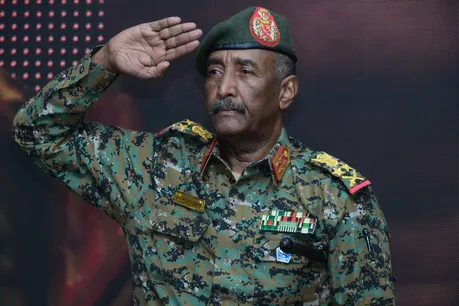
The ongoing conflict in Sudan has taken a new turn as the Sudanese army rejected a ceasefire proposal put forward by the United States, signaling its intention to continue military operations. This development underscores the deepening crisis in the country and highlights the challenges faced by international actors seeking to mediate and stabilize the situation.
The U.S. ceasefire proposal was intended to create a temporary halt in hostilities, allowing humanitarian aid to reach affected populations and providing space for diplomatic negotiations. Ceasefires are often crucial in conflict zones, offering civilians relief from violence and enabling aid organizations to deliver essential supplies such as food, water, and medical care. However, the Sudanese army’s rejection of the proposal indicates that military objectives remain a priority for the government forces, complicating international efforts to ease tensions.
The refusal also reflects the broader political and military dynamics within Sudan. The country has experienced years of internal strife, with rival factions vying for control of power and resources. In this context, ceasefire offers can be perceived as threats to strategic positions or leverage. By rejecting the U.S. proposal, the Sudanese army may be signaling its confidence in sustaining military operations and its determination to achieve its objectives through force rather than negotiation.
The implications for civilians are severe. Continued fighting exacerbates humanitarian crises, leading to displacement, food insecurity, and increased casualties. Hospitals and aid facilities are often overwhelmed, and access to basic necessities becomes limited. International organizations face significant challenges in delivering aid safely and effectively when hostilities persist, further compounding the suffering of the population.
For the international community, the Sudanese army’s stance presents a diplomatic challenge. The United States and other nations seeking to mediate the conflict must navigate a complex environment where military priorities, political considerations, and historical grievances influence decision-making. Successful diplomacy will require not only proposing ceasefires but also understanding the motivations of the parties involved and building trust that temporary halts in fighting can lead to longer-term negotiations.
The ongoing conflict also has regional and global implications. Sudan’s instability can impact neighboring countries through refugee flows, cross-border violence, and economic disruption. Additionally, continued fighting undermines efforts to establish a stable government and develop the country’s infrastructure and economy. Global actors have a vested interest in supporting peace efforts to prevent the conflict from escalating further and creating wider security challenges.
In conclusion, the Sudanese army’s rejection of the U.S. ceasefire proposal highlights the complexities of achieving peace in a country plagued by prolonged conflict. While humanitarian and diplomatic initiatives remain crucial, the continuation of military operations underscores the difficulties in reconciling competing interests and achieving stability. For civilians caught in the crossfire, the urgent need for protection, aid, and a durable resolution remains paramount. The international community faces the ongoing challenge of balancing pressure, diplomacy, and support for humanitarian efforts in the search for a sustainable peace in Sudan


Leave a Reply