

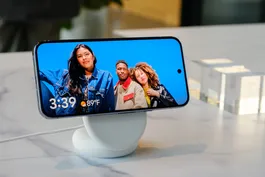
Google is making a bold move to bring its most devoted smartphone fans into the development process of its next Pixel phones. The company has announced plans to select around fifteen people from its “Pixel Superfans” community to test phones still in development. This marks a shift in how Google approaches product testing, moving from a purely internal prototype environment to inviting trusted external users to take devices into the wild, under strict conditions, before the public launch.
The program is being framed as an opportunity for superfans to help shape the next generation of Pixel phones. While Google has not yet confirmed all the details publicly, reports suggest that the selected testers will need to sign non-disclosure agreements, agree to use protective cases designed to disguise the hardware, and provide feedback during the testing period. The testers will not be typical consumers but rather participants who are deeply familiar with the Pixel lineup and enthusiastic about the brand.
There are several angles to this development that are worth watching. First, from a marketing and brand engagement perspective, this move elevates superfans from being mere buyers into contributors to product development. It can strengthen loyalty, create early advocates, and build hype ahead of the next major Pixel launch. For Google, involving real-world users can also help surface issues that lab tests might miss and build devices that better reflect user preferences.
Second, from a product-strategy standpoint, this approach may help Google respond more rapidly to emerging trends, especially in camera technology, artificial intelligence features, software experience and connectivity. By tapping into the feedback of highly engaged users, the company may refine features or user flows more effectively. Also, with smartphone competition intensifying, giving a small group of fans early access can create chatter and tease what is coming without fully blowing the launch.
Third, there are operational and risk considerations. Allowing non-employees to use unreleased hardware in the wild comes with potential leak risk, hardware damage risk, and complications around managing feedback, support and logistics. Google’s solutions seem to involve protective casings, controlled distribution and strict legal safeguards. But even then this programme must be managed carefully so that it supports the brand rather than exposing it.
For consumers and enthusiasts this development raises questions of access, value and privilege. How will Google choose the fifteen testers? What criteria will determine selection? What will they be allowed to share publicly, if anything? Those are the types of details yet to be clarified. For ordinary buyers, this may heighten anticipation for the next Pixel device, but it also may set expectations for an elevated or differentiated product experience.
In broader terms this move reflects the evolving nature of hardware launches in the smartphone industry. Companies increasingly view launch events, community engagement and influencer involvement as integral parts of their strategy. Early access programmes are no longer just for developers or insiders; brands are experimenting with inviting power users who can amplify messaging, provide meaningful feedback and serve as ambassadors.
In summary, Google’s decision to invite Pixel superfans into the testing process of upcoming hardware is a significant step in both product development and brand engagement. It promises to deepen the relationship between the company and its most passionate users, provide a fresh source of user insights and build early momentum for the next Pixel phone. Yet it also requires delicate execution to balance excitement with confidentiality, feedback with control and innovation with reliability. The success of this initiative may influence how other smartphone makers engage with their communities in the future


Leave a Reply