

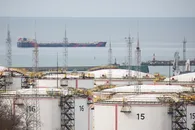
In recent weeks hedge funds have been forced to rethink their oil market strategies as new US sanctions on major Russian oil companies sent the supply outlook abruptly into flux. Many of those funds that were counting on oil prices to fall found themselves caught on the wrong side of the market. The sanctions triggered a rally in crude prices, and as a result funds that had taken heavily bearish positions began to pull back.
The shift can be traced to the United States’ decision to impose stringent measures on Russia’s oil sector, including restrictions on exports and financial access for key producers. As the market absorbed the news of these sanctions, concerns about tighter global supply began to build. Oil benchmarks spiked, reflecting the fear that Russian production could either drop or face logistical disruption. When supply looks vulnerable the logic of shorting oil faces a serious challenge.
Hedge funds had, leading into the sanctions, built up sizeable short positions in Brent crude. In effect they were wagering that oil prices would decline. But once the sanctions were announced the risk-reward changed. Because the new policy threatened supply the bets against oil became less tenable. Some funds recognised that remaining short could expose them to sharp losses and therefore moved to cut or unwind those positions.
This unwinding itself became a driver of market movement. As shorts were covered the buying pressure added to upward momentum in oil prices. What had been a relatively quiet period for the energy complex suddenly became sensitive to geopolitics. The combination of sanctions, uncertainty about Russian output, and concerns about how quickly other producers might raise output turned the market from bearish to more balanced or even bullish in some cases.
For the funds that acted early the lesson is clear. Geopolitical risk can override what looks like sound fundamental logic. Even if economic demand is moderate or uncertain, a supply shock or even the threat of one can force a quick change in strategy. The sanctions against Russia provided exactly that kind of shock. So it is not just about how many barrels are being pumped or consumed but about how stable and accessible that production is.
Of course this does not mean that all hedge funds are now aggressively bullish on oil. Many remain cautious, mindful of demand destruction and alternative energy trends. But those that were anchored to a view of falling oil prices found themselves needing to adapt. In some cases they cut their exposure simply to limit risk, in others they flipped their position entirely to take advantage of the new supply tensions.
Markets now face several questions. Will Russia cut production or will some of its output find alternative pathways circumventing the sanctions? Will other producers such as members of the oil exporting cartel ramp up output fast enough to fill the gap or head off price spikes? How will demand evolve in industrialised countries facing cost pressures and inflation concerns? Hedge funds will be watching these dynamics very closely because the margin for error has narrowed.
In short the move by hedge funds to flee bearish oil bets signifies how quickly sentiment can flip when geopolitical events intervene. The US sanctions on Russian oil altered the landscape for crude markets and forced market participants to reassess the risk of being positioned against prices. It is a vivid example of how the confluence of policy, supply risk and investor positioning can make markets move fast. For anyone watching the oil complex this episode offers a reminder that bets against prices carry significant political and geopolitical overhangs now more than ever.
If you like I can prepare a deeper piece with charts showing how hedge fund positioning changed before and after the sanctions and how oil prices responded


Leave a Reply