

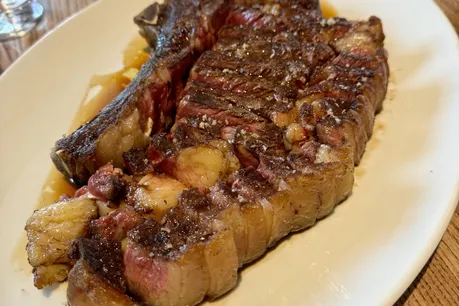
The Steak Economy Is More Than Just High Prices
By Howard Chua-Eoan
The price of a steak has become more than a measure of food inflation. It has turned into a symbol of how global economies, consumer behavior, and social values are changing. What was once a simple indicator of middle class indulgence now reflects a complex web of cost pressures, cultural shifts, and political debates.
In many parts of the world, steak is no longer an everyday item. Rising feed costs, labor shortages, supply chain disruptions, and environmental regulations have all driven prices higher. But those high prices also reveal deeper economic forces. The steak economy shows how demand remains strong even when costs soar, suggesting that people still associate beef with quality, celebration, and identity. Consumers might cut back on other luxuries, but they still go out for a good steak when it matters.
At the same time, the modern steak economy is evolving beyond price tags. It reflects shifting tastes and growing awareness of sustainability. More diners now ask about the origins of their beef—how the cattle were raised, what they were fed, and whether the production methods were ethical. High end restaurants promote grass fed and locally sourced beef, turning sustainability into a form of status. Even fast food chains have joined in, marketing premium burgers as a way to capture customers willing to pay more for perceived quality.
The steak market also reveals a new divide. On one hand, affluent consumers continue to enjoy fine cuts without hesitation. On the other, ordinary households face tough choices at grocery stores, where a simple steak dinner can feel like a luxury. This split mirrors broader economic inequalities that have become more pronounced since the pandemic. The rising cost of living has not reduced demand for steak but has changed who can afford it regularly.
Behind the scenes, ranchers and suppliers are adapting to survive. Many are investing in technology to improve efficiency and reduce environmental impact. Precision agriculture, methane tracking, and feed innovations are slowly reshaping the beef industry. However, these upgrades require capital, which often pushes smaller producers out of the market. As a result, large corporations now dominate more of the beef supply chain, further concentrating profits and influence.
Meanwhile, alternative proteins and plant based meat substitutes are competing for attention. Yet despite the marketing buzz, traditional steak remains resilient. Cultural attachment, taste preference, and the emotional value tied to sharing a meal built around steak continue to give it an edge. It is not just food—it is a statement of comfort, success, and nostalgia.
The steak economy, then, is not merely about the cost of a meal. It is about what people are willing to pay for a sense of normalcy and satisfaction in uncertain times. It reflects how global markets, climate policies, and social values intertwine on a dinner plate. And as long as consumers crave the flavor, texture, and ritual of steak, the economy built around it will continue to reveal as much about people as it does about prices


Leave a Reply