

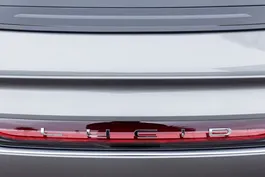
Uber is preparing to ramp up its presence in San Francisco’s autonomous vehicle market by partnering with electric carmaker Lucid Motors and robotics firm Nuro to deploy new robotaxis, setting the stage for a fresh showdown with Alphabet-owned Waymo. The move marks a major step in Uber’s effort to reestablish itself in the self-driving space after years of retreat and restructuring.
According to people familiar with the plan, Uber’s upcoming collaboration will combine Lucid’s luxury electric vehicles with Nuro’s autonomous driving and delivery technology, creating a fleet of next-generation robotaxis for passenger transport and logistics. Testing is expected to begin in select areas of San Francisco within the next year, pending regulatory approval. The initiative signals Uber’s renewed ambition to integrate self-driving technology into its ride-hailing and delivery platforms after previously selling its in-house autonomous vehicle division in 2020.
Waymo currently operates the largest driverless fleet in San Francisco and has steadily expanded its coverage and customer base. By teaming up with Lucid and Nuro, Uber aims to offer an alternative built on flexibility and advanced EV design. Lucid’s vehicles, known for their range and performance, will give Uber’s robotaxis a premium edge, while Nuro’s autonomous systems bring proven expertise from years of operating driverless delivery pods in multiple US cities.
Uber executives say the partnership model reflects a more pragmatic approach to autonomy—rather than building the technology entirely in-house, the company plans to integrate best-in-class solutions from specialized partners. This strategy allows Uber to scale faster while minimizing research and development costs. The company has already tested similar collaborations, including pilot programs with Motional and Aurora for autonomous ride services in Las Vegas and Dallas.
Industry analysts view this move as a calculated return to a market that Uber once dominated but later exited amid technical and financial setbacks. The company’s self-driving ambitions were derailed by safety incidents and mounting losses, leading to the sale of its Advanced Technologies Group to Aurora Innovation. However, the rapid progress in AI, sensor technology, and electric vehicle platforms has revived commercial interest in autonomous mobility.
For Uber, the timing may be ideal. San Francisco remains a key testing ground for autonomous vehicles, supported by an advanced regulatory framework and a tech-savvy population. Partnering with established innovators like Lucid and Nuro could help the company regain credibility in the space while offering passengers more choice in how they travel.
Still, Uber’s entry will intensify competition in a market where Waymo has built a strong first-mover advantage. Waymo’s robotaxi service already operates at scale and boasts extensive real-world driving data an asset that remains hard to replicate. Uber’s success will depend on its ability to differentiate through pricing, availability, and user experience while ensuring that safety and reliability meet the city’s high standards.
If successful, the collaboration could mark a turning point for Uber’s technology strategy, blending electric mobility with autonomous innovation. It also signals a broader industry shift toward cooperation between traditional mobility platforms and tech manufacturers. As robotaxi competition heats up in San Francisco, Uber’s partnership with Lucid and Nuro could reshape the race for the future of urban transportation one where self-driving cars move from novelty to mainstream reality


Leave a Reply