

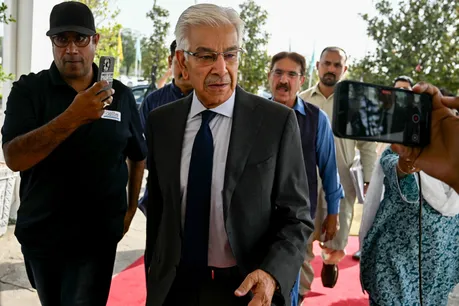
Pakistan is reportedly considering sending military troops to Gaza as part of a proposed international peacekeeping mission under former US President Donald Trump’s peace plan. The idea has sparked debate within Pakistan’s leadership and across the region as the country weighs the diplomatic and political implications of such a move.
According to senior officials, Pakistan’s government has not yet made a final decision, but discussions are ongoing at the highest levels. The proposed peace plan envisions the creation of an international stabilization force, made up primarily of Muslim-majority countries, to help maintain security and assist in rebuilding Gaza following months of conflict. This force would work alongside local authorities to support order, deliver aid, and ensure that displaced Palestinians can return to their homes safely.
Pakistan’s potential participation reflects its long-standing support for peace in the Middle East and its historical commitment to the Palestinian cause. However, the decision also presents a complex challenge for Islamabad. While helping stabilize Gaza aligns with Pakistan’s diplomatic stance, direct involvement in a multinational military mission could spark domestic criticism, given the country’s public sensitivity toward any perceived shift in its position on Palestine.
Foreign Minister Ishaq Dar has stated that Pakistan’s stance remains unchanged in support of Palestinian self-determination. He emphasized that any involvement in a peacekeeping effort would be aimed purely at humanitarian assistance and regional stability. Pakistan’s leadership is said to be consulting with allies in the Muslim world before committing to any deployment.
The proposed plan reportedly includes several key elements, such as restoring essential services, facilitating humanitarian aid, and helping establish a transitional governance structure in Gaza. Under the plan, participating nations would send limited troops to maintain peace and security, not to engage in combat operations. The force would also work to ensure the safe movement of food, medicine, and reconstruction materials throughout the war-torn region.
Despite the peace-oriented goals, the plan faces significant opposition. Several Palestinian factions, including Hamas, have rejected it, claiming that it undermines Palestinian sovereignty. Critics argue that the proposal serves more as a political maneuver than a genuine peace effort. For Pakistan, joining such a mission could also carry diplomatic risks if the plan fails to gain broader legitimacy in the Arab world.
Still, supporters within Pakistan’s government argue that the country’s participation could strengthen its international standing and demonstrate its commitment to regional peace. Pakistan has a long history of contributing to United Nations peacekeeping missions, which may provide valuable experience for a potential Gaza deployment.
If Pakistan does move forward, it will need to balance its diplomatic relationships carefully, particularly with Middle Eastern allies, while managing domestic public opinion. Any final decision will depend on coordination with other Muslim countries and assurances that the mission’s objectives remain purely humanitarian.
In summary, Pakistan’s consideration of sending troops to Gaza represents both an opportunity and a challenge. It could allow the country to play a constructive role in regional stability, but it also requires navigating complex political realities at home and abroad. The coming weeks will likely determine whether Islamabad takes a leading role in this proposed international peace initiative.


Leave a Reply